
Shaddam Hossain
About Author
Specializing in SaaS product marketing, SEO strategy, Content marketing, TikTok advertising, PPC, and digital growth.
Connect
Articles & Contributions
SME Sector in Bangladesh: Size, Support, and the Gaps That Startups Can Fill
Bangladesh's CMSME sector covers over 11 million enterprises and roughly 80 to 85 percent of non-agricultural employment, contributing an estimated 25 to 30 percent of GDP. As of March 2026, actual CMSME lending sat at 15.87 percent of total bank loans against a 25.50 percent regulatory target, a gap that's widened rather than closed.
Freelancing as an Export Business in Bangladesh: Platforms, Payments, and Taxes
Bangladesh Bank treats freelance income as a service export under Part K of its July 2026 export circular. Qualifying tech work can be tax-exempt through June 2027, but only as a registered business with a Trade Licence, TIN, and BIN. Banks may also deduct 10 percent at source on incoming service fees.

HealthTech in Bangladesh: Opportunities, Regulations, and Early-Stage Players
HealthTech in Bangladesh covers telemedicine, e-pharmacy, diagnostics logistics, and digital health records serving a population with limited doctor access outside major cities. No single unified health-tech law exists yet; founders answer to DGDA, BMDC, and DGHS depending on the product. Early movers like Praava Health and Arogga built durable models around trust and last-mile delivery, not app polish.
EdTech in Bangladesh: Who Is Building, Who Is Buying, and What Works
Bangladesh's consumer-facing edtech market is a small group of Dhaka-based startups. 10 Minute School and Shikho are the most visible K-12 exam-prep brands, while Programming Hero and Ostad sell job skills. Most of what's public is company-reported, not independently audited, and roughly half the country still isn't online.
Agritech in Bangladesh: Startups, Government Programs, and Market Gaps
Bangladesh's agritech startups tackle farm financing, input access, and produce distribution for a country where agriculture still employs 45 percent of the workforce. iFarmer leads by reported farmer reach; Agroshift, Fashol, WeGro, Krishi Shwapno, and Agronochain fill other niches. Government backing runs through Bangladesh Bank's credit policy and Startup Bangladesh Limited. The clearest documented opportunity is produce processing, where more than 75 percent of output still leaves the field untouched.
Fintech in Bangladesh: Key Players, Regulations, and Opportunities for Founders
For the payment and digital-finance businesses covered here, four regulated models matter most: MFS, PSP, PSO and digital banking. MFS requires a bank, financial institution or government entity to hold at least 51% of the provider and control its board. PSPs don't carry that requirement. PSOs run payment infrastructure and can't issue e-money. Digital banks are licensed under the Bank Company Act and now require Tk 300 crore in paid-up capital.
Bangladesh E-Commerce Market: Size, Growth, and What Sellers Need to Know
There is no single official figure for Bangladesh's e-commerce market. Recent private estimates for online retail cluster around $6 billion to $7.5 billion, while older or broader forecasts put the figure closer to $10 billion because they include travel, OTT and unregistered social commerce. Online retail is still estimated at only 3 to 5 percent of total retail spending, so the market has room to grow regardless of which number you trust.
Youth Entrepreneurship in Bangladesh: Programs, Barriers, and Opportunities for Under-30 Founders
Youth entrepreneurship in Bangladesh runs on government programs like iDEA and Startup Bangladesh, plus accelerators like BYLC Ventures and Orange Corners. Under-30 founders still face a real financing gap and thin mentorship, even though people aged 15 to 29 make up over 30 percent of the population.
Women Entrepreneurs in Bangladesh: Challenges, Support Programs, and Success Stories
Women lead roughly 2.8 million SMEs in Bangladesh, about a quarter of the sector, yet they receive only 7.28% of CMSME bank credit as of March 2026. Programs like Bangladesh Bank's women entrepreneurs refinance scheme, the SME Foundation's SheTrades Hub, and the Joyeeta Foundation are working to close that gap.
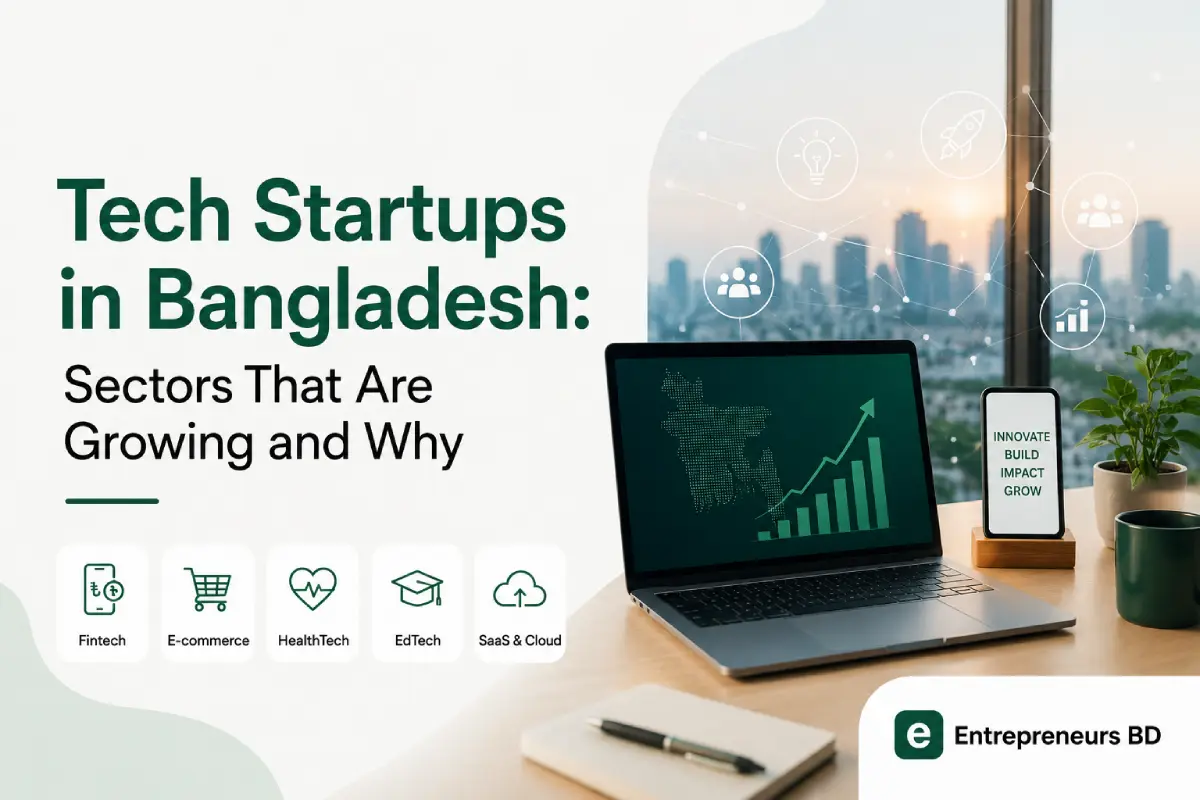
Tech Startups in Bangladesh: Sectors That Are Growing and Why
Bangladesh's fastest growing tech sectors in 2026 are fintech, e-commerce and logistics, agritech, and healthtech. Fintech leads because mobile financial services already reach a majority of the population. The others are growing because government capital, a young workforce, and rising smartphone use are solving problems that used to block small business growth.
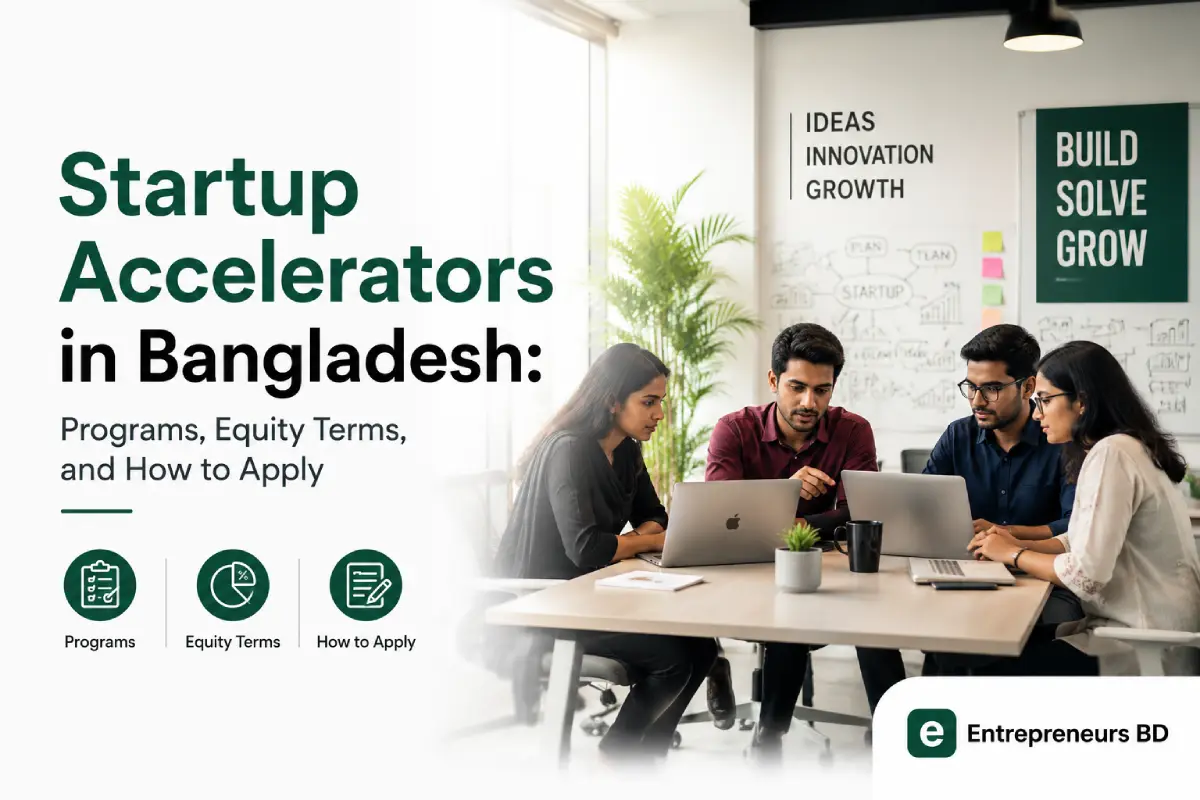
Startup Accelerators in Bangladesh: Programs, Equity Terms, and How to Apply
Bangladesh's startup accelerators split into three types. Government programs like the iDEA Project and Smart Bangladesh Accelerator take no equity. Startup Bangladesh Limited invests equity or convertible debt, historically capped near 49 percent combined ownership. Corporate accelerators such as Grameenphone Accelerator give equity free grants. Angel networks like Bangladesh Angels negotiate individual term sheets.
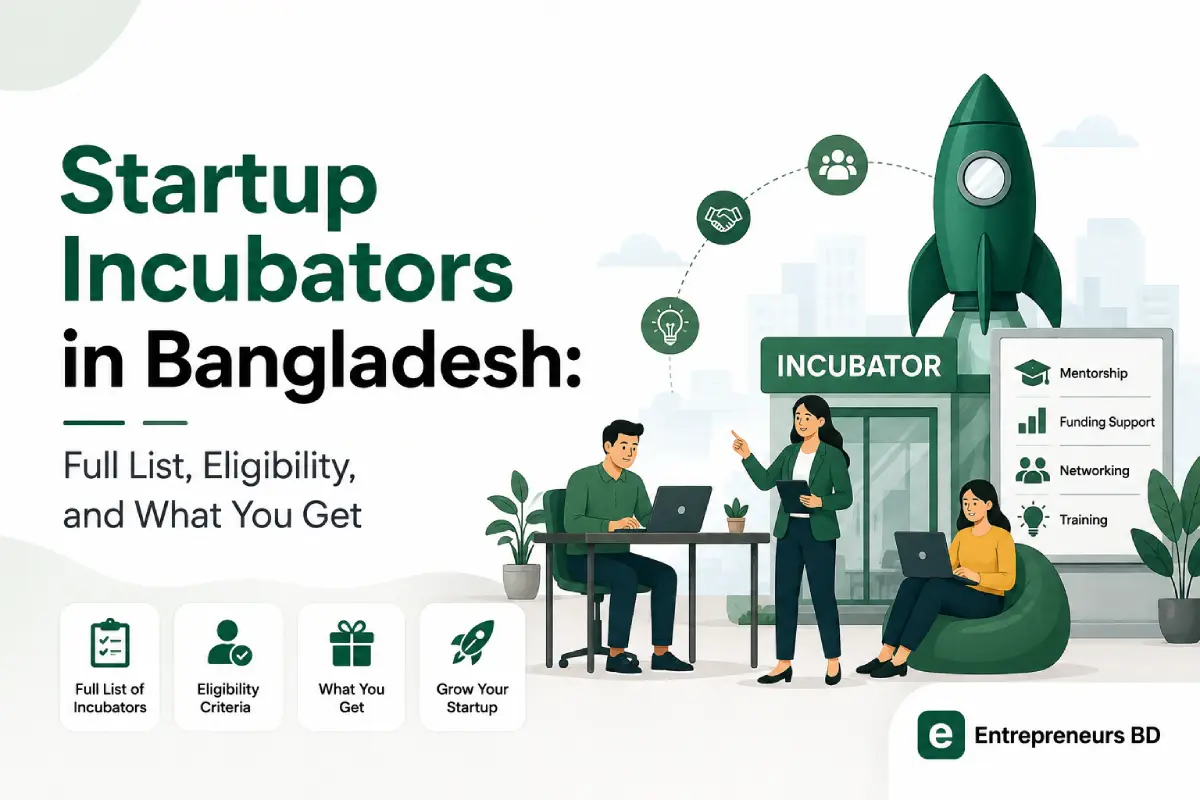
Startup Incubators in Bangladesh: Full List, Eligibility, and What You Get
Bangladesh's most active startup incubation programs in 2026 are the iDEA Project, Startup Bangladesh Limited, the Hi-Tech Park Authority's Sheikh Kamal IT Business Incubators, the Grameenphone Accelerator, NSU Startups Next, the Daffodil Business Incubator, and the private Startup Dhaka Incubator. Each targets a different startup stage and offers a different mix of funding, space, and mentorship.
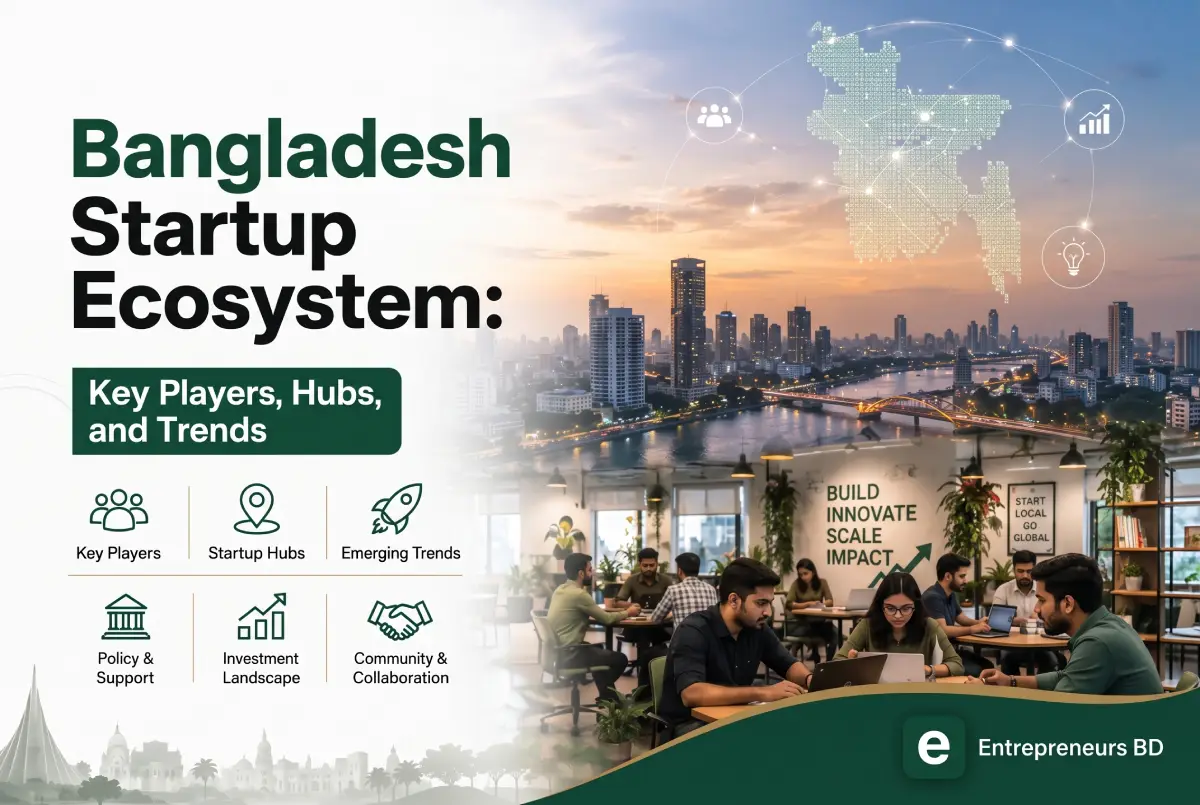
Bangladesh Startup Ecosystem: Key Players, Hubs, and Trends in 2026
Bangladesh's startup ecosystem now counts more than 1,200 active ventures, two fintech unicorns in bKash and Nagad, and over 900 million dollars raised since 2010. Dhaka remains the core hub, though Chittagong, Sylhet, and Jessore host growing hi-tech parks. In 2026, fresh government funding and a friendlier national budget are reshaping how founders raise capital and register new companies.
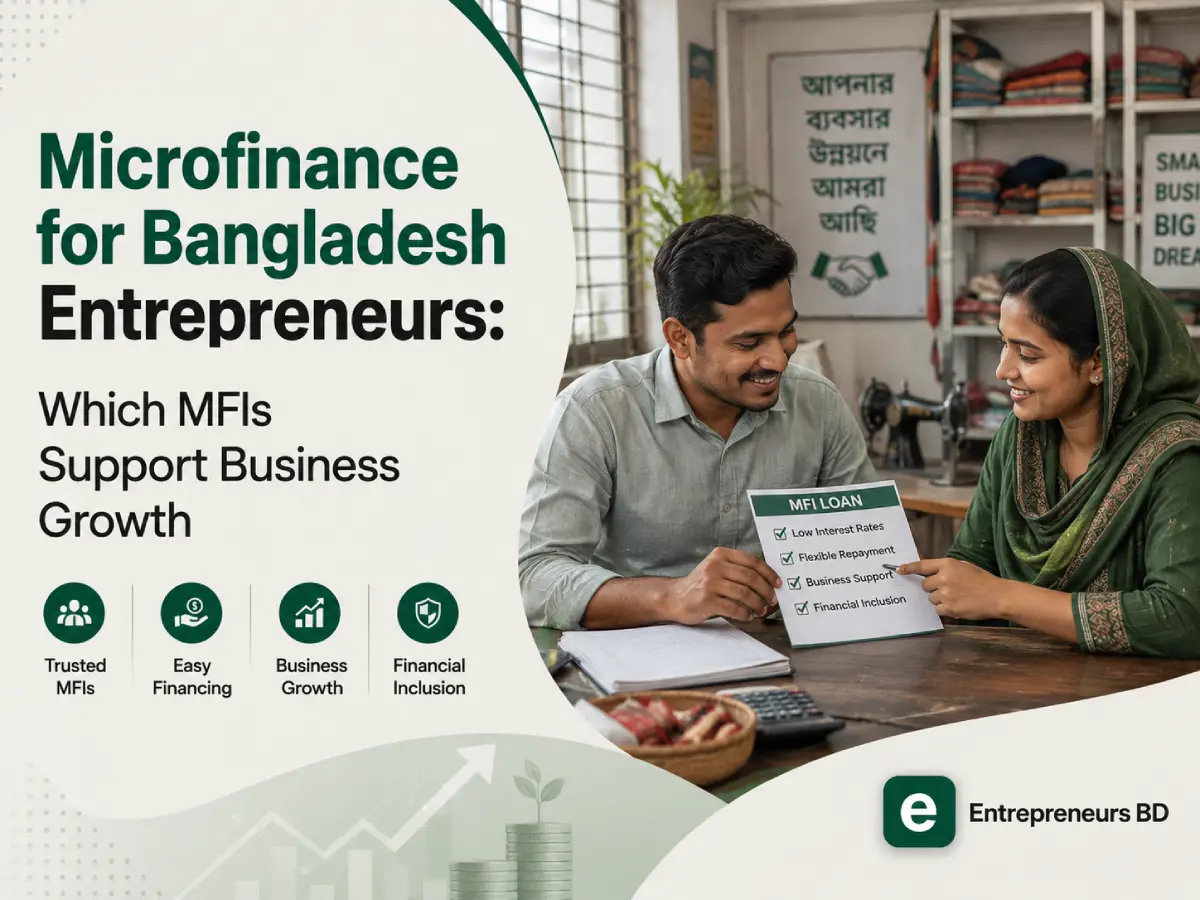
Microfinance for Bangladesh Entrepreneurs: Which MFIs Support Business Growth
In Bangladesh, MRA-licensed microfinance institutions such as BRAC, ASA, BURO Bangladesh, and TMSS offer the largest microenterprise (ME) loans for growing a small business. PKSF also channels wholesale funds to smaller partner organizations. Compare loan size, interest rate, and collateral rules before choosing, since ME loans differ sharply from basic microcredit.
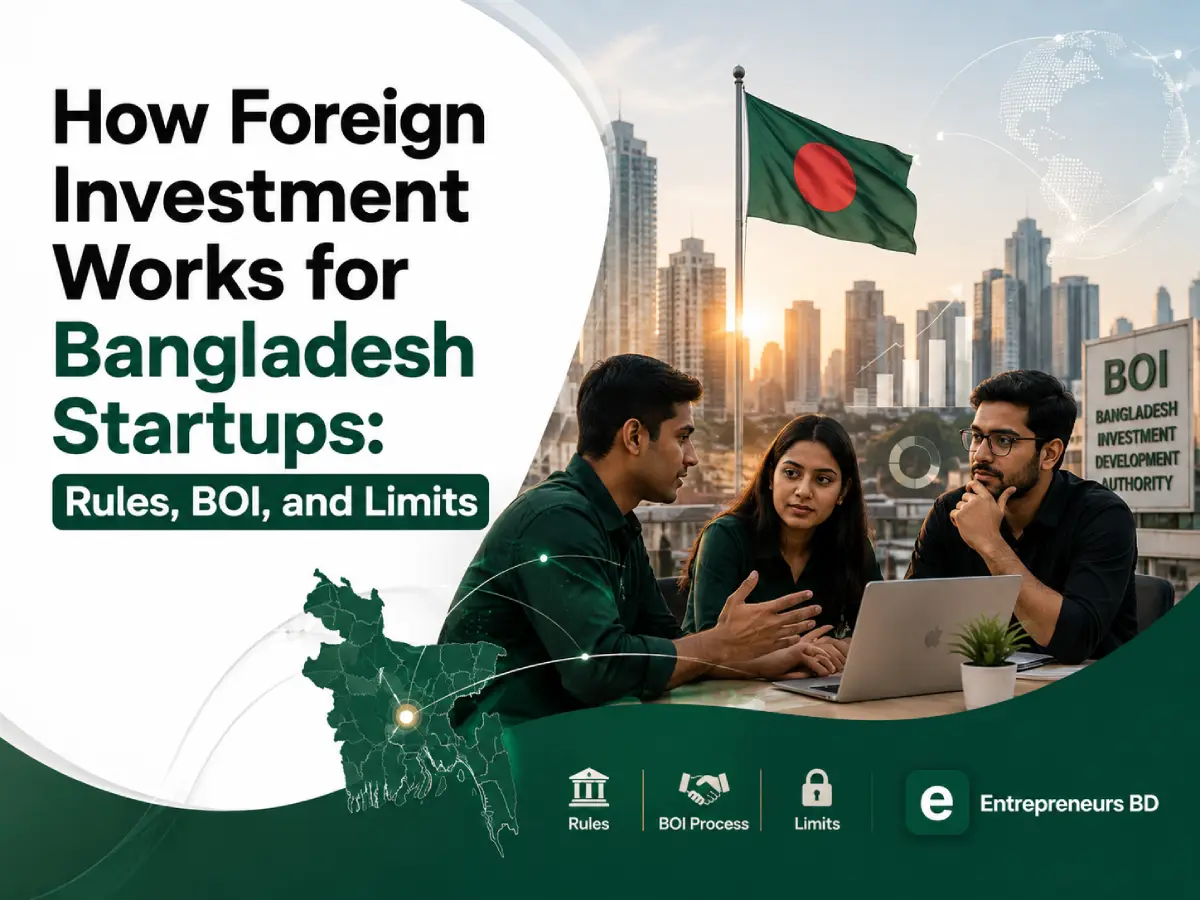
How Foreign Investment Works for Bangladesh Startups: Rules, BOI, and Limits
Foreign investors can own up to 100% of most Bangladeshi startups without needing prior Bangladesh Bank approval, as long as the investment moves through proper banking channels. A handful of sectors are reserved or controlled, and share sale proceeds up to Tk 100 crore can now be repatriated directly through an authorized dealer bank.
Invoice Financing for Bangladesh SMEs: How It Works and Where to Get It
Invoice financing lets a Bangladeshi SME borrow against unpaid customer invoices instead of waiting 30 to 90 days for payment. A bank or NBFI advances 70 to 90 percent of the invoice value upfront, then collects the rest once the buyer pays, minus a fee.
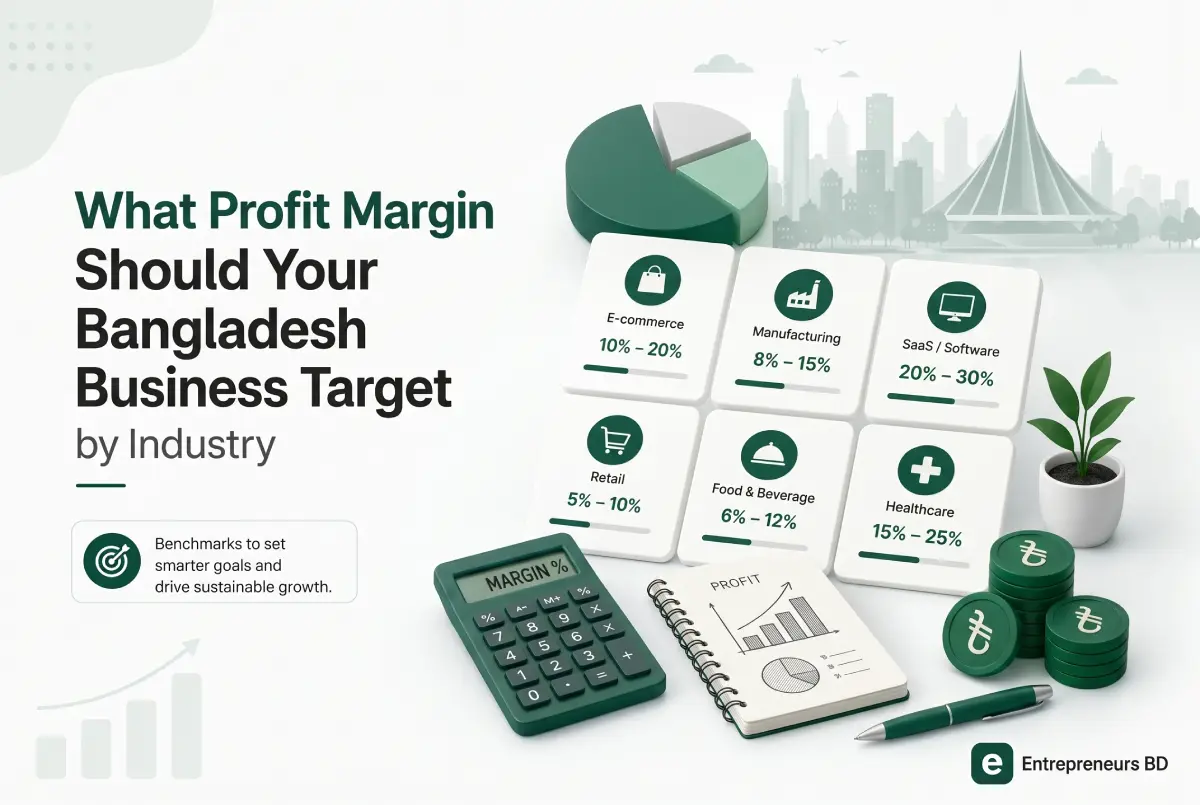
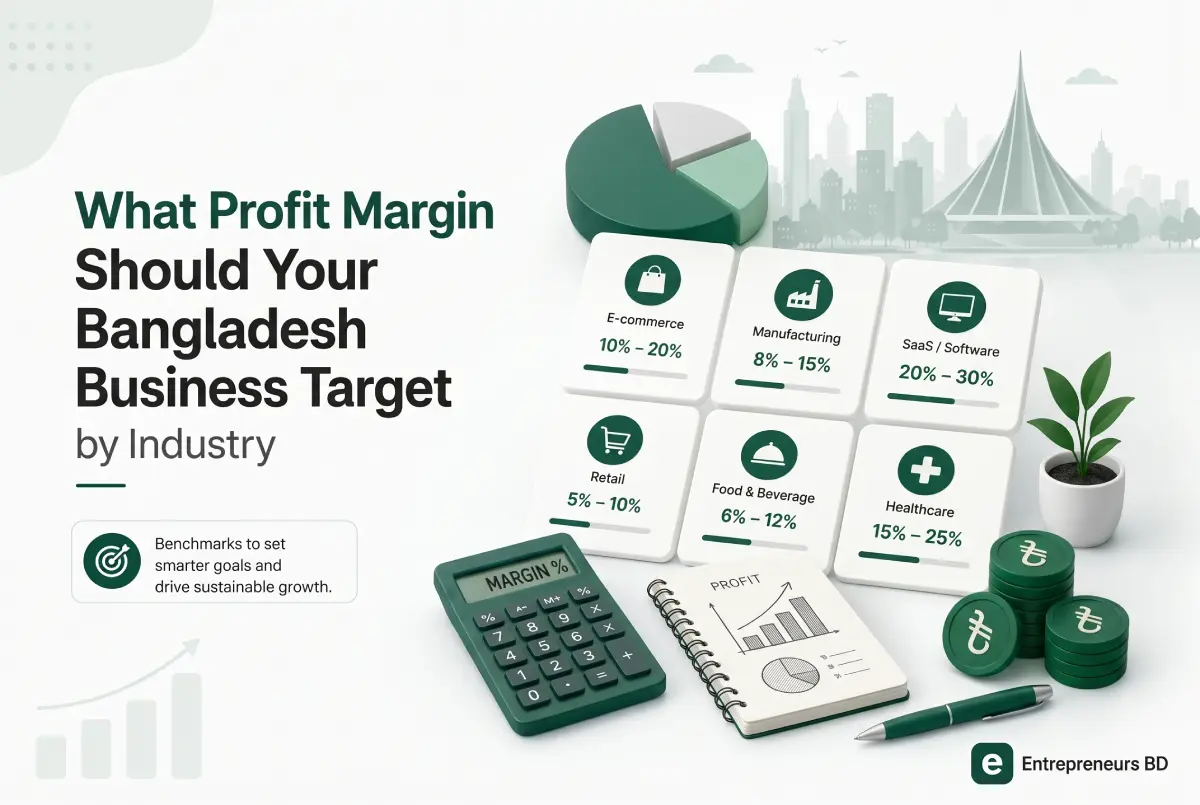
What Profit Margin Should Your Bangladesh Business Target by Industry
Profit margins in Bangladesh vary wildly by industry, from 5% for garment exporters to 80% for tailoring services. This guide breaks down real gross margin benchmarks across retail, RMG, restaurants, SaaS, freelancing, and e-commerce, plus what actually moves your margin locally.
RJSC Registration in Bangladesh: What It Is and Why Your Startup Needs It
RJSC registration is the process of incorporating a company with the Registrar of Joint Stock Companies and Firms, the sole government body that legally recognizes businesses in Bangladesh. Startups need it to open a bank account, sign binding contracts, hire staff, and raise investment under a proper legal entity instead of a personal name.
Choosing a Revenue Model for Your Bangladesh Startup: 10 Options Compared
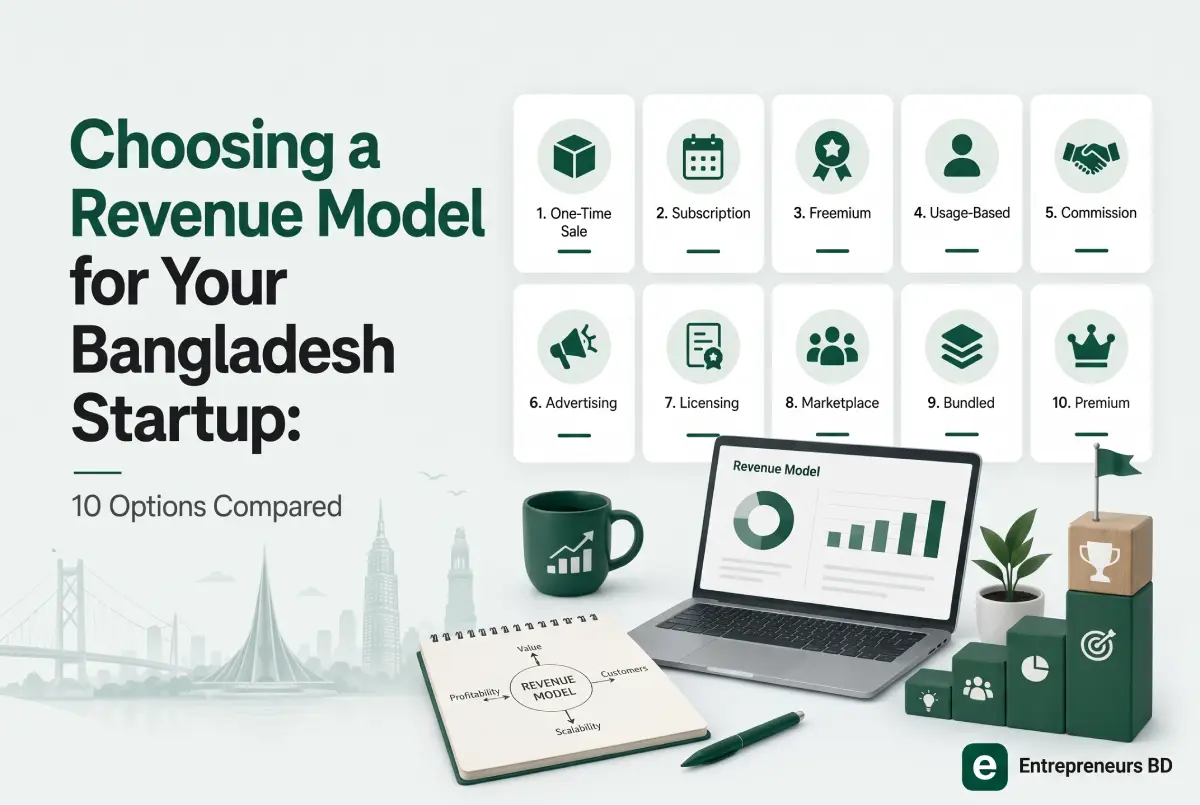
The right revenue model for a Bangladesh startup depends on your product type, your customers' willingness to pay upfront, and the payment infrastructure available (bKash, Nagad, Rocket). Subscription and commission-based models suit digital services and marketplaces. Freemium and advertising work best for high-traffic platforms. Most successful Bangladeshi startups eventually combine two or more models.
Tax Obligations for Bangladesh Startups: VAT, TIN, and Income Tax Explained
Every Bangladesh startup needs a TIN from the NBR to operate legally, and most crossing BDT 50 lakh in annual turnover must also register for VAT (BIN). Income tax then applies on top, either as personal tax for sole proprietors or corporate tax for registered companies.
Financial Planning for Bangladesh Startups: Cash Flow, Burn Rate, and Runway
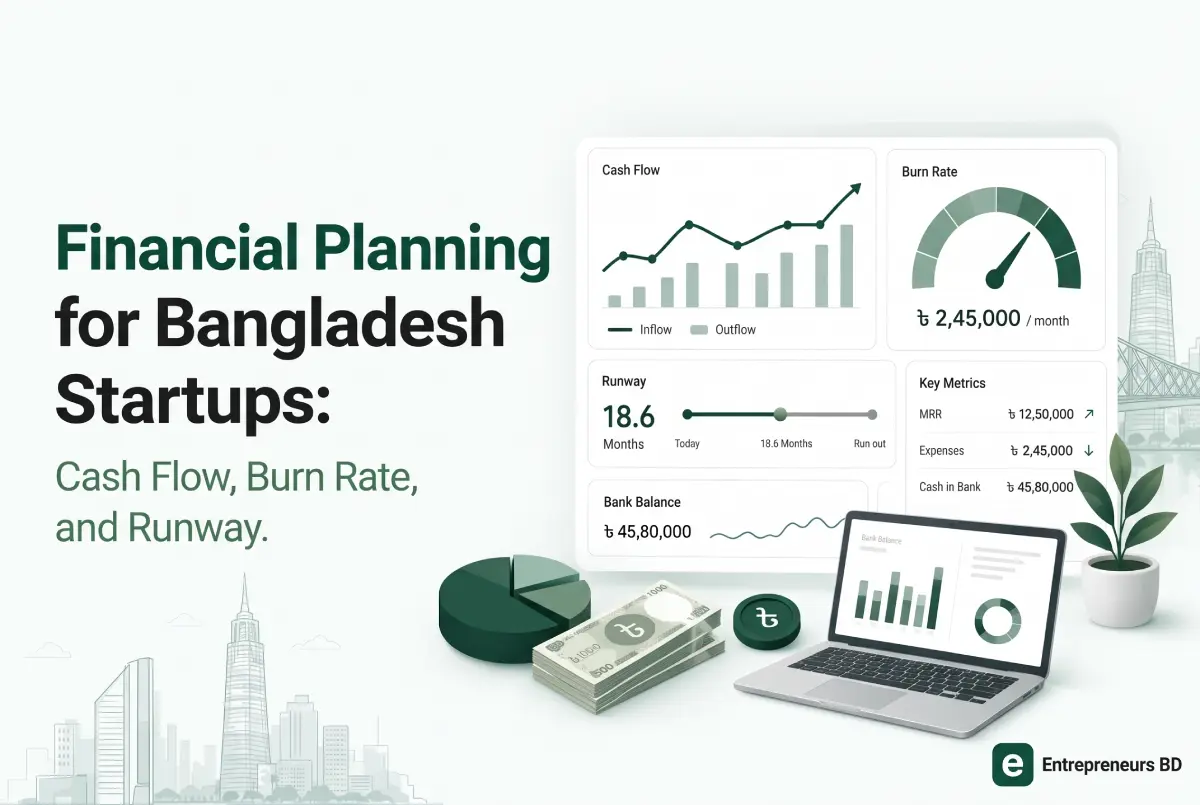
Financial planning for a Bangladesh startup means tracking three numbers together: cash flow (money in versus money out), burn rate (how fast you spend cash each month), and runway (how many months of cash you have left). In 2026, with domestic startup funding down sharply and lending rates near 12 percent, founders need to calculate these figures monthly, not annually.

How Startup Valuation Works in Bangladesh: Methods Investors Actually Use
Bangladeshi investors typically value early-stage startups using the Scorecard Method, Berkus Method, or Venture Capital Method, since most young companies lack the revenue history required for a discounted cash flow analysis. Later-stage startups with steady revenue are usually valued using comparable transaction multiples. The final number always gets adjusted for local risk factors like currency volatility and limited exit options.
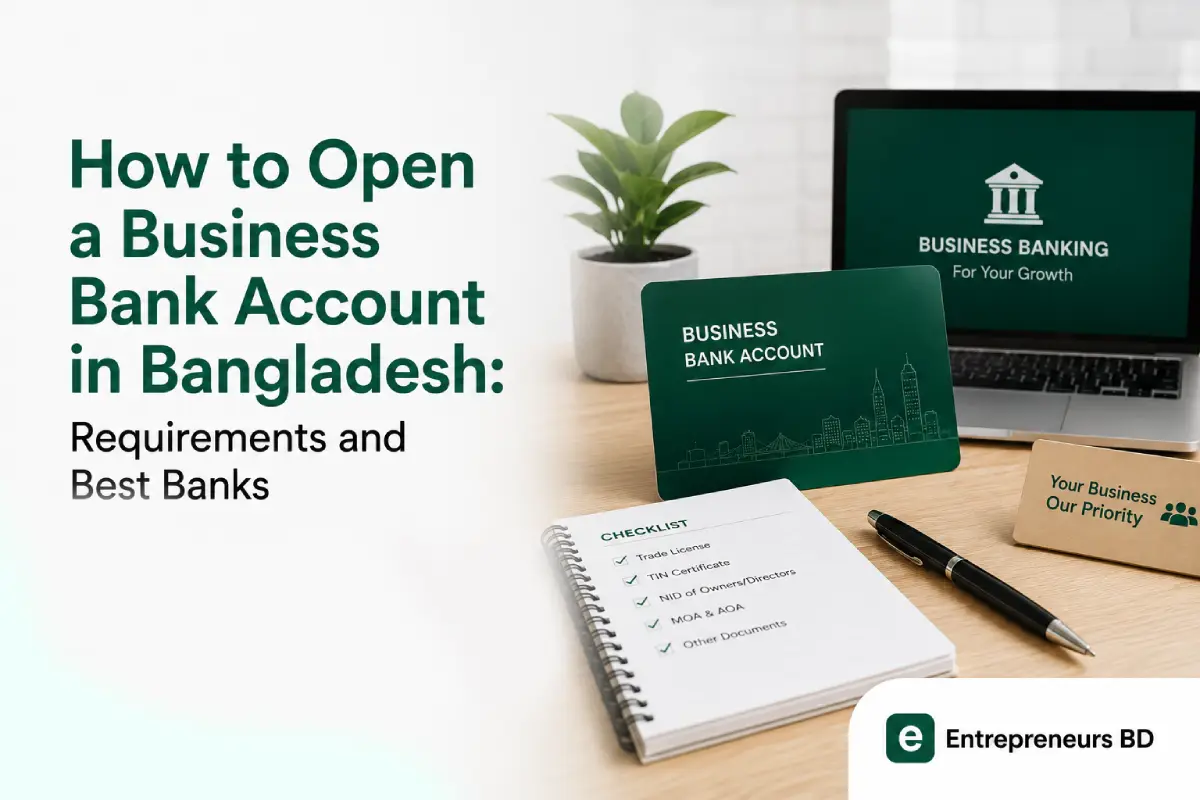
How to Open a Business Bank Account in Bangladesh: Requirements and Best Banks
To open a business bank account in Bangladesh, you need a valid trade license, a TIN certificate, and NID or passport of the owner or directors. Private limited companies also need their RJSC incorporation certificate, MOA and AOA, and a board resolution. Sole proprietors can usually open an account in three to five working days. Companies take one to two weeks due to director and beneficial owner checks.
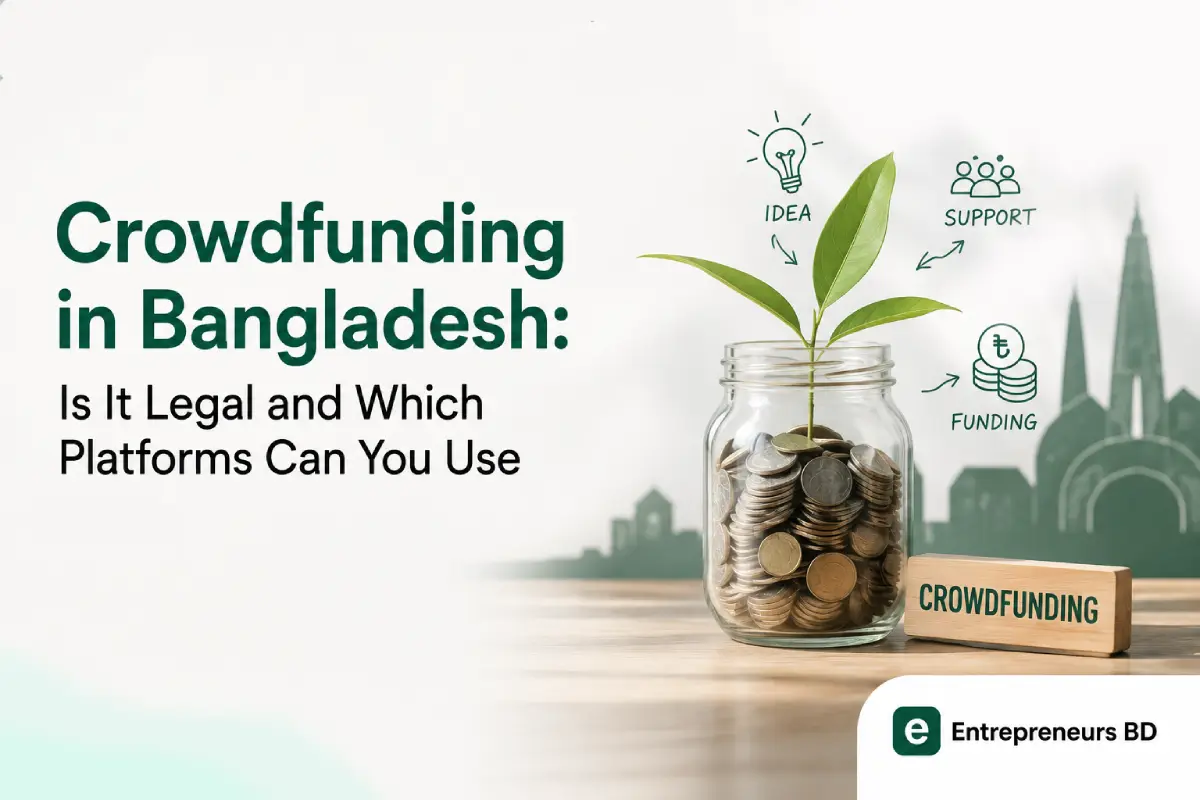
Crowdfunding in Bangladesh: Is It Legal and Which Platforms Can You Use
Crowdfunding itself is not illegal in Bangladesh, but there is no single law that governs it yet. Donation based campaigns for personal causes face the fewest restrictions. Offering equity or profit share to backers counts as a public offer of securities and needs BSEC approval. Foreign funds for organizational causes fall under separate NGO rules.
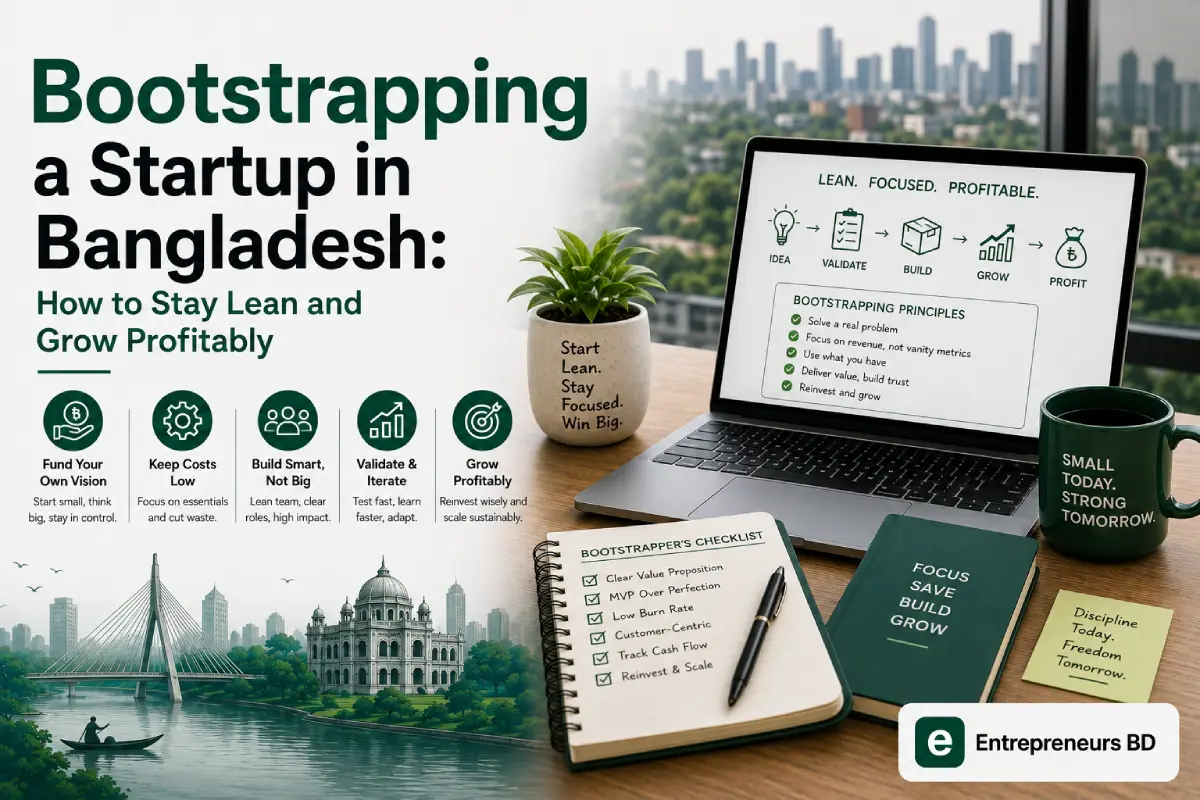
Bootstrapping a Startup in Bangladesh: How to Stay Lean and Grow Profitably
Bootstrapping a startup in Bangladesh means funding growth from your own savings, early revenue, and reinvested profit instead of outside investors. It works because operating costs stay low, digital tools cut overhead, and disciplined pricing lets founders reach profitability faster than they would chasing funding.
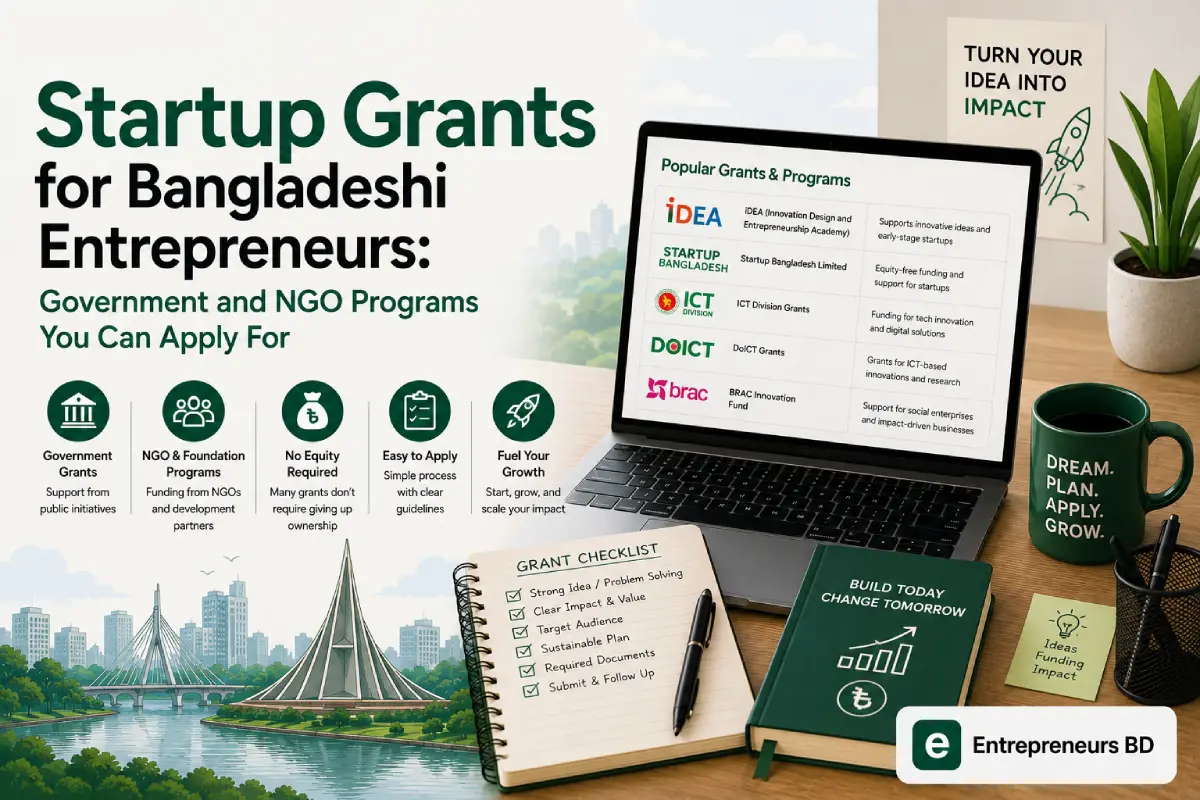
Startup Grants for Bangladeshi Entrepreneurs: Government and NGO Programs You Can Apply For
Bangladeshi entrepreneurs can apply for grants and low-cost financing through the ICT Division's iDEA project (up to BDT 10 lakh), SME Foundation's Credit Wholesaling Program, and Bangladesh Bank's refinance schemes for women and new entrepreneurs. Most require a trade license, a clear business plan, and an online application.
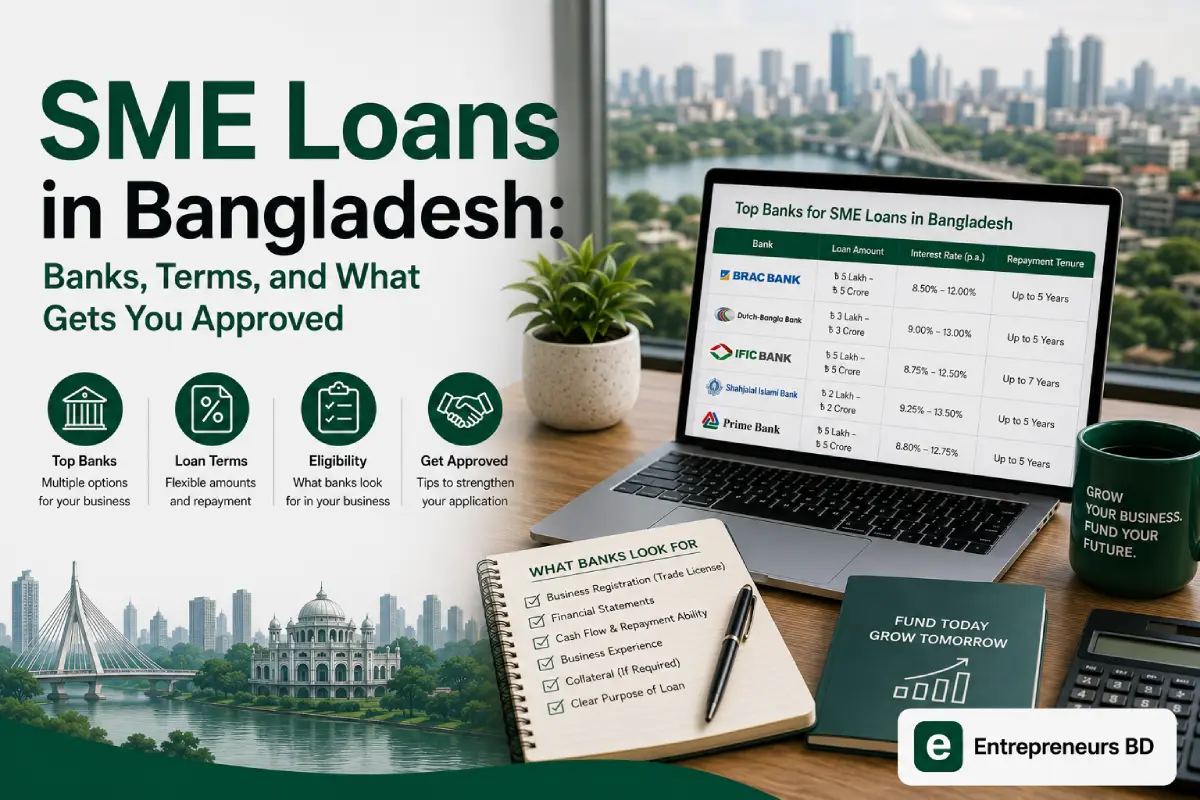
SME Loans in Bangladesh: Banks, Terms, and What Gets You Approved
SME loans in Bangladesh come from private banks, state banks, and NBFIs, with rates typically running 13.75% to 16% for standard loans and as low as 5% to 9% under Bangladesh Bank refinance schemes. Approval depends on trade license validity, a clean CIB credit report, and consistent cash flow documentation rather than collateral alone.
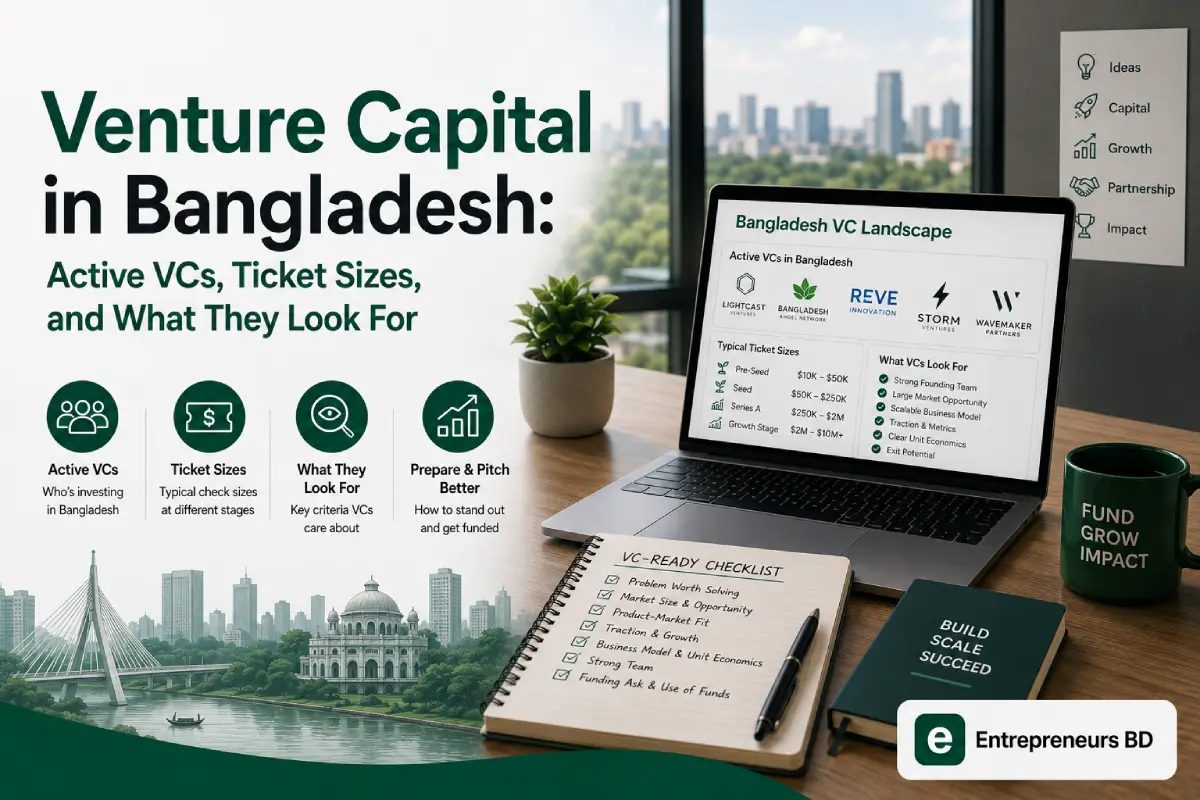
Venture Capital in Bangladesh: Active VCs, Ticket Sizes, and What They Look For
Bangladesh has a small but active VC pool. Startup Bangladesh Limited, Anchorless Bangladesh, BD Venture, BVCL, and the new bank backed BSIC lead the field, writing checks from roughly BDT 25 lakh to several million dollars depending on stage. Most look for a working product, real revenue growth, and a founding team that can execute.
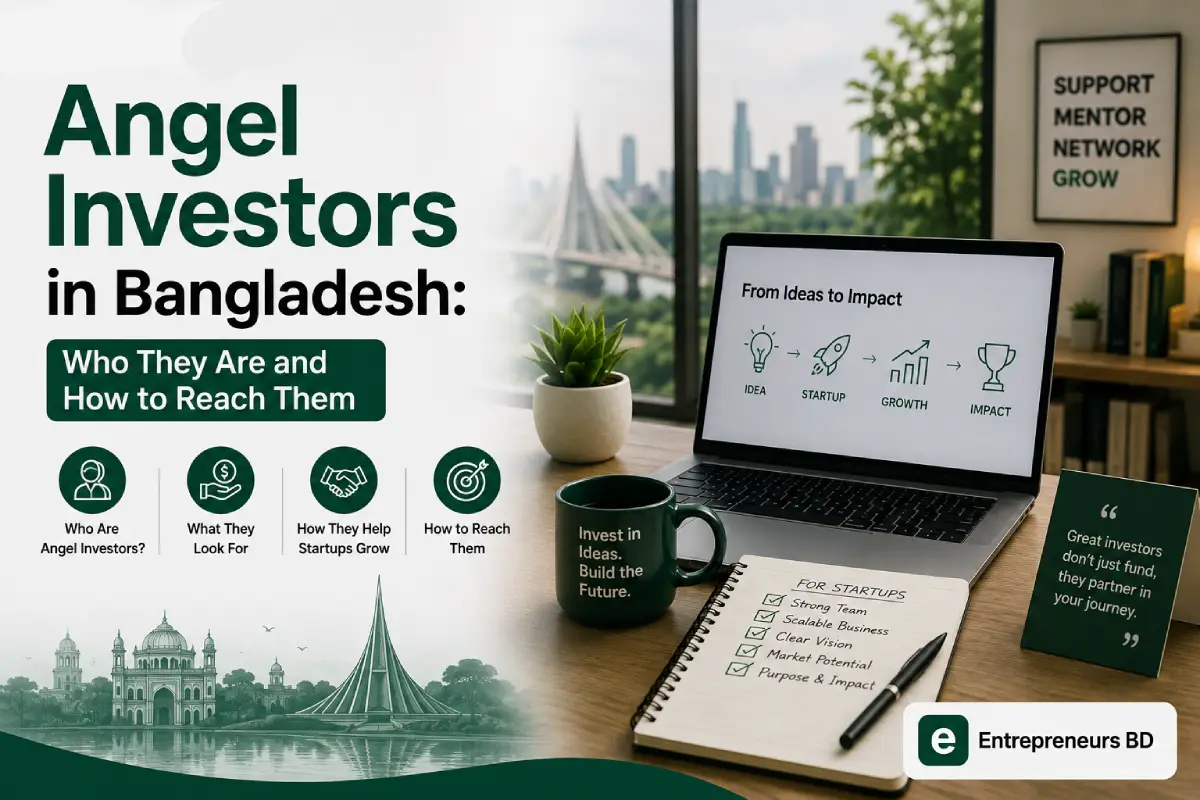
Angel Investors in Bangladesh: Who They Are and How to Reach Them
Angel investors in Bangladesh are individuals, family offices, and diaspora professionals who fund early-stage startups in exchange for equity. Most operate through organized networks like Bangladesh Angels Network (BAN) and Bangladesh Women Investors Network (BWIN), which vet founders, run pitch sessions, and syndicate deals among members.
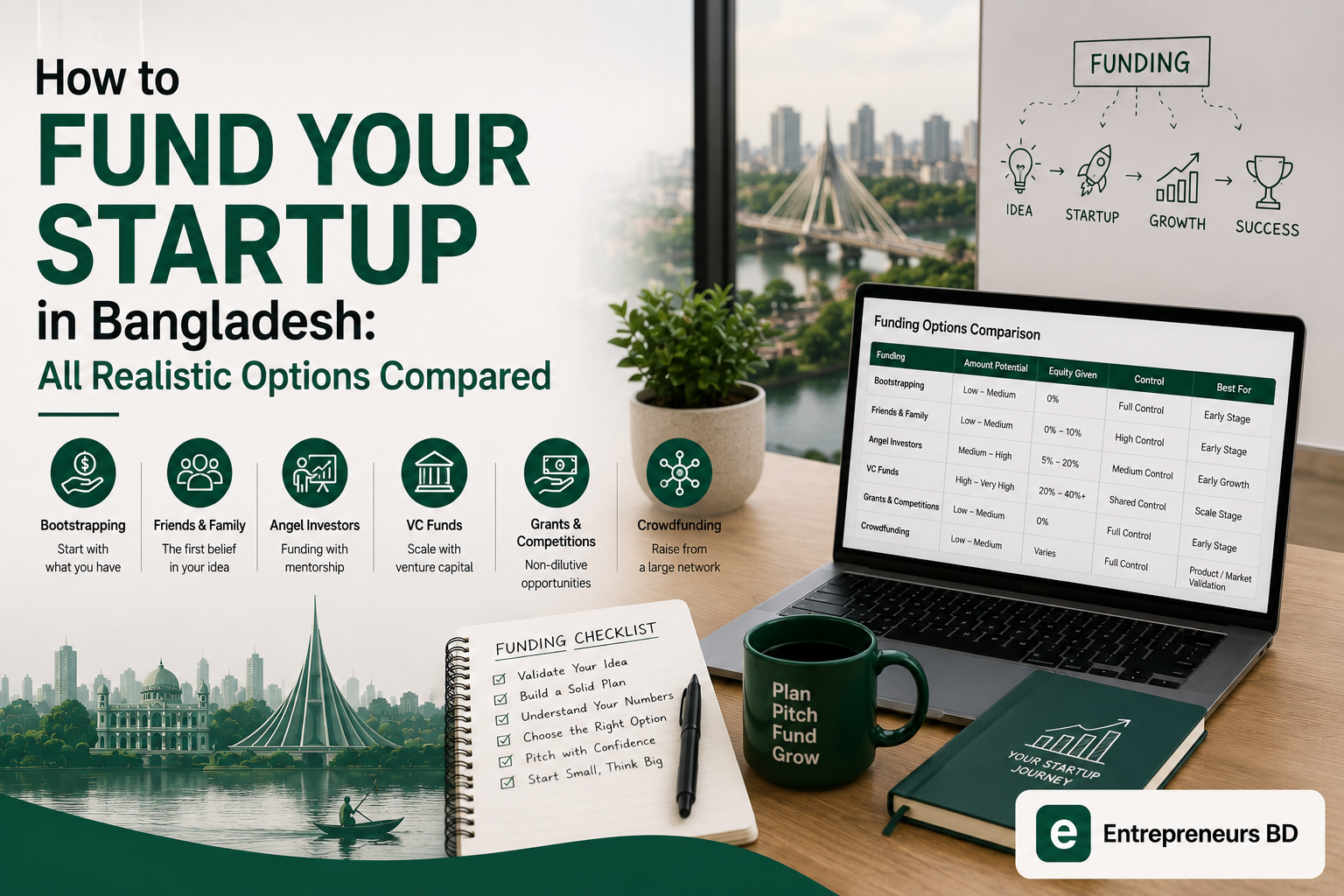
How to Fund Your Startup in Bangladesh: All Realistic Options Compared
Startups in Bangladesh can raise capital through five realistic channels: personal savings and family support, bank loans backed by Bangladesh Bank refinance schemes, government equity funds like Startup Bangladesh Limited, angel investors and venture capital, and a small but growing pool of grants and accelerator programs. Most founders combine two or three of these rather than relying on one alone.
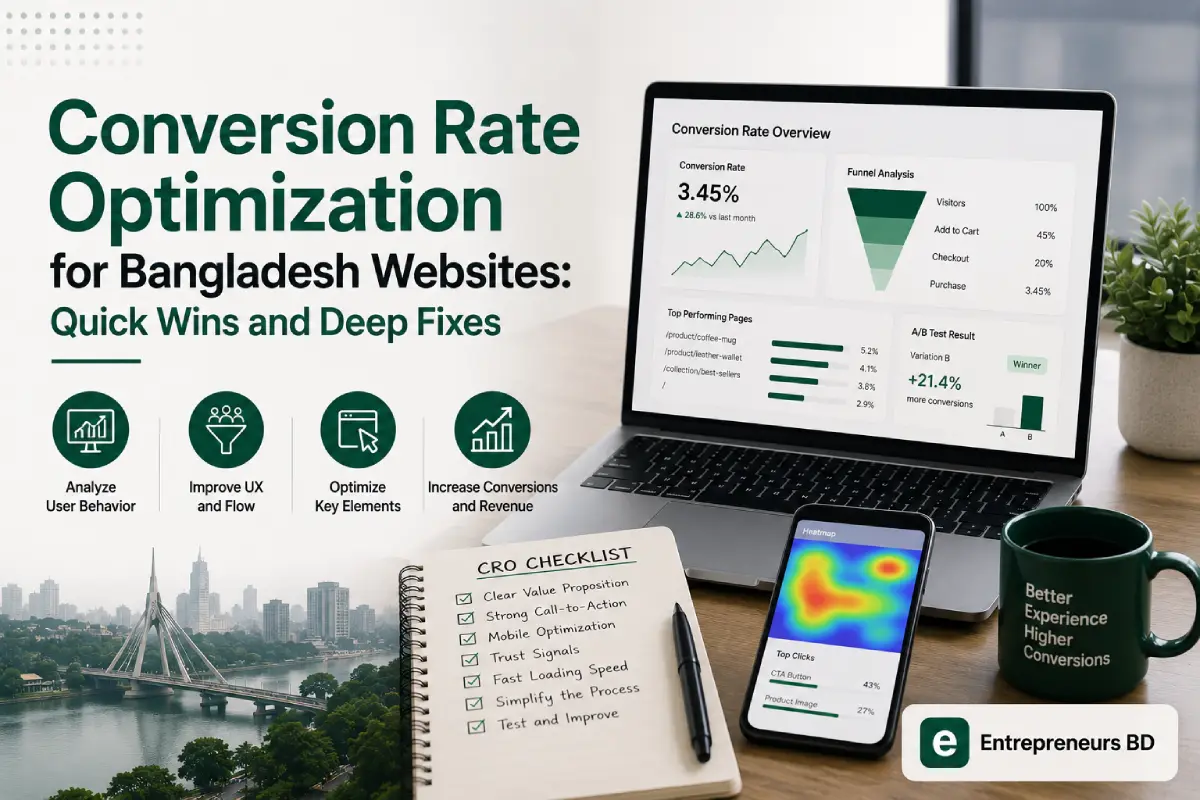
Conversion Rate Optimization for Bangladesh Websites: Quick Wins and Deep Fixes
Conversion rate optimization for Bangladesh websites starts with quick wins like visible bKash, Nagad and Rocket payment options, a clear cash on delivery choice, and simplified checkout forms. Deeper fixes, like faster page load on mobile data and stronger trust signals, compound these gains over time.
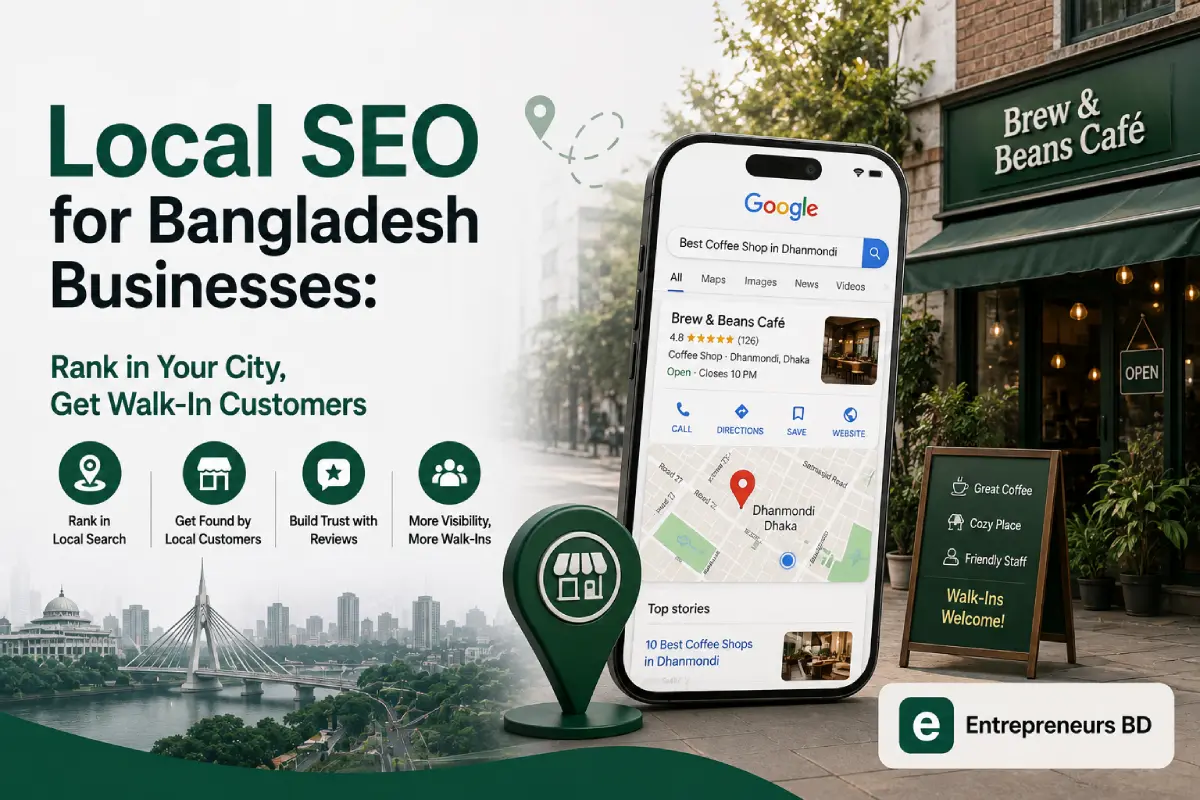
Local SEO for Bangladesh Businesses: Rank in Your City, Get Walk-In Customers
Local SEO for Bangladesh businesses means optimizing your Google Business Profile, keeping your name, address, and phone number consistent everywhere online, and using city and neighborhood keywords on your website. Together, these signals tell Google your business belongs in local search results, which drives more calls, direction requests, and walk-in customers from people searching nearby.
Shikho
Shikho is a digital learning platform co-founded in 2019 by Shahir Chowdhury, building a hyper-localized education ecosystem for Bangladesh's roughly 85-million learning-age population.
Programming Hero
Programming Hero is a gamified coding education platform founded in 2018 by Jhankar Mahbub, teaching more than 600,000 students worldwide through practical, project-based coding lessons.
Praava Health
Praava Health is Bangladesh's first fully integrated outpatient healthcare platform, founded in 2014 by Sylvana Quader Sinha, combining clinics, diagnostics, and digital health records under one system.
Ostad
Ostad is a live-streaming skills education platform co-founded in October 2020 by Abdullah Al Musabbir and four fellow engineering graduates, helping job seekers and freelancers in Bangladesh build employable skills.
Maya
Maya is an anonymous online health and well-being platform founded in 2011 by Ivy Huq Russell, connecting users to doctors, counselors, and legal experts through Mayalogy Limited.
Chorcha
Chorcha is an exam-preparation platform founded in December 2020 by Sanzid Raihan, helping students preparing for Bangladesh's SSC, HSC, university admission, and BCS exams practice with more than one million questions.
Arogga
Arogga is Bangladesh's largest online medicine delivery platform, co-founded in 2020 by Rosina Mazumder, built to guarantee access to genuine, quality-checked medicine and health products.
10 Minute School
10 Minute School is Bangladesh's largest edtech platform, founded in 2015 by Ayman Sadiq, offering free video lessons that reach more than 250,000 students every day.
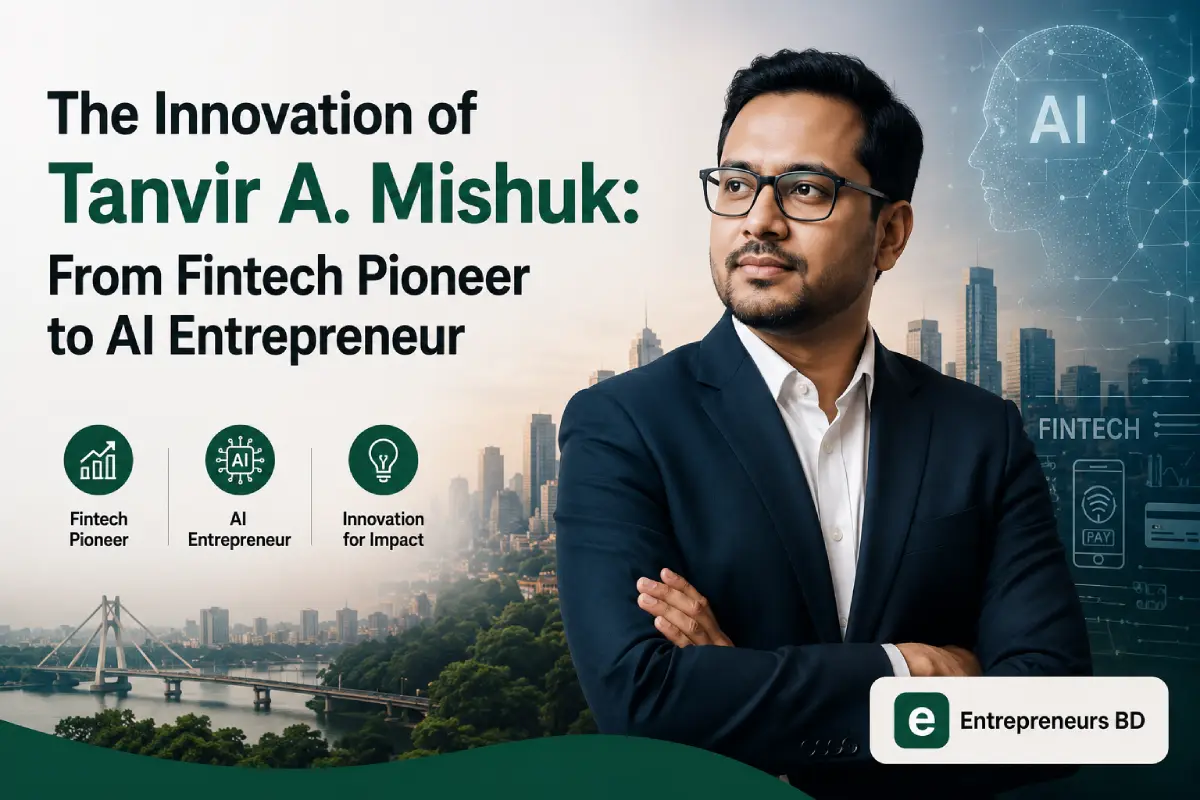
The Innovation of Tanvir A. Mishuk: From Fintech Pioneer to AI Entrepreneur
Tanvir A. Mishuk is a fintech entrepreneur recognised for advancing digital financial inclusion in Bangladesh through innovations like e-KYC and USSD based banking access. He has since founded App AI Pty Ltd, an artificial intelligence company based in Australia, applying lessons from financial technology to a new generation of AI driven solutions.
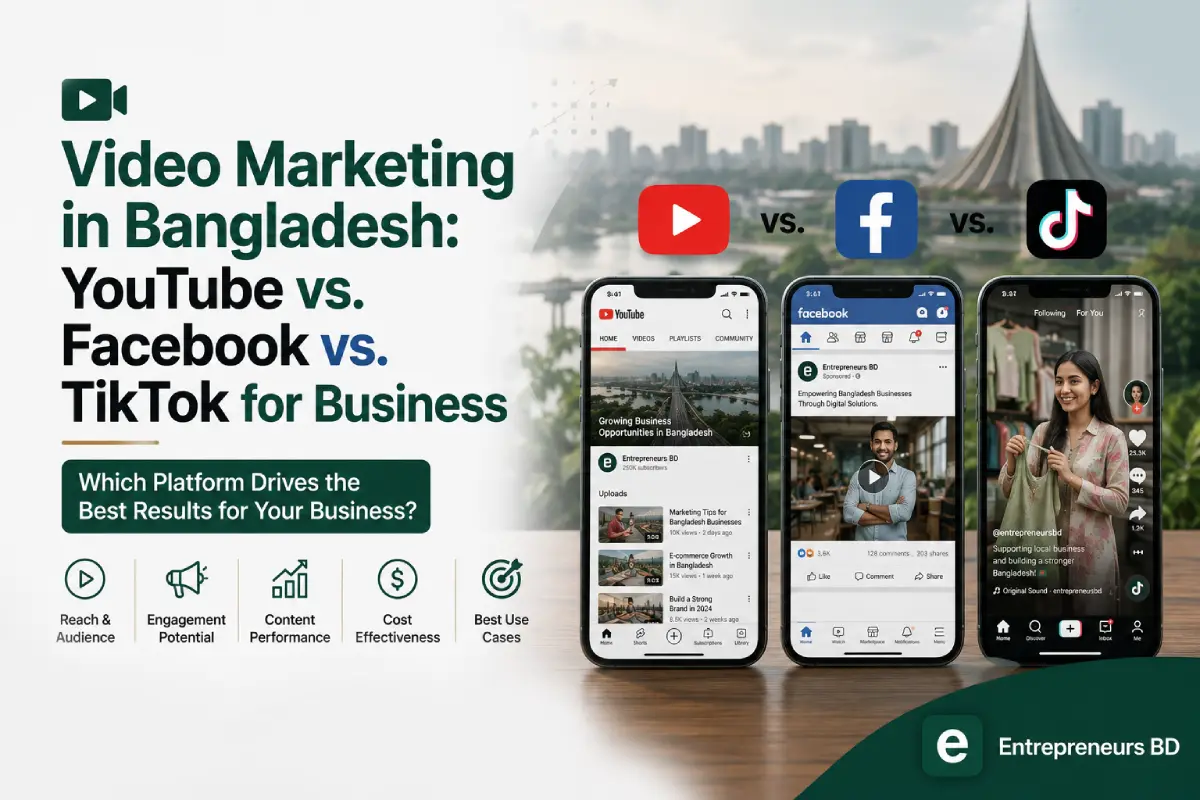
Video Marketing in Bangladesh: YouTube vs. Facebook vs. TikTok for Business
Facebook still reaches the most Bangladeshi users, making it the safest default for general brand and sales videos. YouTube builds long-term trust through search and detailed product demos. TikTok delivers the fastest reach among under-35 audiences for the lowest production cost. Most businesses need a mix, not just one channel.
WeGro
WeGro is an agri-fintech platform co-founded in 2021 by Mahmud Rahman, giving Bangladeshi smallholder farmers access to credit, agricultural inputs, and markets through a single technology platform.
Shuttle
Shuttle is a shared commuter transport platform co-founded in 2018 by Reyasat Chowdhury, starting with a women-only ride service in Dhaka before growing into a broader scheduled commuter platform.
Shohoz
Shohoz is a Bangladeshi super app founded in 2014 by Maliha M Quadir, growing from an online ticketing service into a platform spanning ridesharing, deliveries, and travel bookings.
ShareTrip
ShareTrip is an end-to-end travel booking platform co-founded by Sadia Haque, commercially launched in July 2019 and covering flights, hotels, and holiday packages, with more than 1.5 million downloads.
PRAN-RFL Group
PRAN-RFL Group is Bangladesh's largest food and beverage conglomerate, founded in 1981 by Major General Amjad Khan Chowdhury and led today by his son, Chairman & CEO Ahsan Khan Chowdhury, exporting to more than 135 countries.
Khaas Food
Khaas Food is a Bangladeshi grocery platform co-founded in 2016 by Habibul Mustafa, selling pure, chemical-free food products through a combination of e-commerce and physical retail stores.
Jatri
Jatri is a mobility technology company founded in March 2019 by Aziz Arman, offering Bangladesh's first bus tracking and digital ticketing platform for Dhaka's public bus system.
iFarmer
iFarmer is an agri-fintech and supply-chain platform co-founded in 2018 by Fahad Ifaz, connecting smallholder farmers in Bangladesh with financing, inputs, and reliable markets.
GoZayaan
GoZayaan is a travel-tech company founded in 2017 by Ridwan Hafiz, growing into the largest online travel agency across Bangladesh and Pakistan, offering flights, hotels, bus tickets, and tour packages.
ACI Agrolink
ACI Agrolink Ltd. is a leading integrator of agricultural inputs and outputs in Bangladesh, led by Managing Director & CEO Dr. F. H. Ansarey, spanning seed, fertilizer, and an agri-marketplace platform under the ACI conglomerate.

WhatsApp Marketing for Bangladesh Businesses: Tactics That Don't Annoy Customers
WhatsApp marketing works in Bangladesh when businesses get explicit opt-in before messaging, use broadcast lists instead of promotional groups, and keep helpful messages (order updates, support replies) far more frequent than sales pitches. Pair this with Bangla-language copy and local payment links through bKash or Nagad for the best response rates.
Affiliate Marketing in Bangladesh: How to Earn and How to Set Up a Program
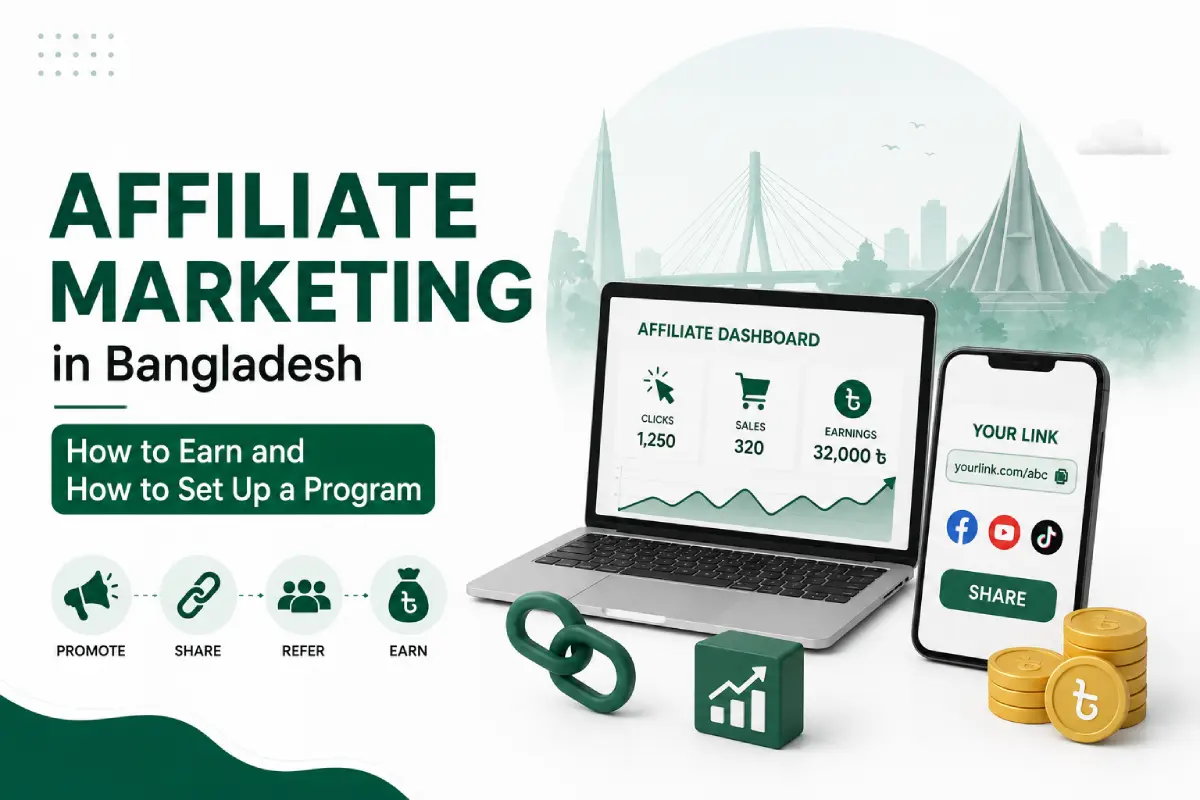
Affiliate marketing lets Bangladeshi creators, bloggers, and site owners earn commissions by promoting products from platforms like Daraz, Amazon Associates, and global networks such as ClickBank or Digistore24. Businesses can launch their own program with tracking software, clear commission terms, and payout channels that follow Bangladesh Bank's remittance rules for service exporters.

WPManageNinja
WPManageNinja is a Dhaka-based WordPress product company founded in 2015 by Mohammad Shahjahan, building Fluent Forms, FluentCRM, and the wider Fluent Suite for more than 750,000 businesses worldwide.
Truck Lagbe
Truck Lagbe is an online trucking marketplace co-founded in 2016 by Anayet Rashid, connecting truck owners and drivers with businesses that need goods transported across Bangladesh.
TallyKhata
TallyKhata is a digital bookkeeping and payments platform built by Progoti Systems Ltd. and founded by Dr. Shahadat Khan, now used by more than 5.5 million small businesses in Bangladesh.

Southtech Group
Southtech Group is a Dhaka-based enterprise software company founded in 1996 by Syed Mamnun Quader, one of the first CMMI Level 5 appraised IT service providers in Bangladesh, now operating as a six-entity international group.
ShopUp
ShopUp is Bangladesh's largest B2B commerce platform for small businesses, co-founded in 2017 by Ataur Rahim Chowdhury, connecting millions of neighborhood shops to supply, credit, and logistics.

Shajgoj
Shajgoj is Bangladesh's leading platform for authentic international cosmetics and beauty products, co-founded in 2013 by Nazmul Sheikh and backed by Sequoia Capital India.
Riseup Labs
Riseup Labs is a Dhaka-based technology company founded in 2009 by Ershadul Hoque, building custom software, games, immersive technology, and AI-powered platforms for clients worldwide.
REVE Systems
REVE Systems is a telecom and VoIP software company founded in 2003 by M. Rezaul Hassan, with major R&D operations in Dhaka and a global footprint serving more than 2,300 telecommunications operators across over 80 countries.
Pickaboo
Pickaboo is a Dhaka-based e-commerce platform founded in 2016 by Morin Talukder, focused on consumer electronics and computers, known for fast delivery and installment financing options for Bangladeshi shoppers.
Pathao
Pathao is the largest digital platform for ride-sharing, food delivery, and e-commerce logistics in Bangladesh and Nepal, founded in 2015 and led today by Managing Director and CEO Fahim Ahmed.
Nagad
Nagad is a mobile financial service founded in 2019 by Tanvir A Mishuk in partnership with Bangladesh Post Office, growing into a platform with more than 80 million users and plans to become Bangladesh's first digital bank.
MetroNet Bangladesh
MetroNet Bangladesh Ltd. is a Dhaka-based data-communication company incorporated in 2001, known as the country's first commercial fiber optic network operator and led by Syed Almas Kabir.
Markopolo AI
Markopolo AI is an AI-native customer engagement platform co-founded in Dhaka in 2021 by Tasfia Tasbin, now serving e-commerce and D2C businesses internationally with a growing presence in San Francisco.
Loop Freight
Loop Freight is a technology-enabled logistics company founded in 2018 by Rajib Das, connecting shippers and truck carriers across Bangladesh through a digital booking and tracking platform.
HappyMonster
HappyMonster is a Dhaka-based WordPress company founded in 2019 by Hasin Hayder, building HappyAddons, ThemeBucket, and EazyPlugins for site owners and developers worldwide.
DataSoft Systems Bangladesh
DataSoft Systems Bangladesh Ltd. is a Dhaka-based enterprise software company founded in 1998 by M. Mahboob Zaman, building mission-critical systems for banking, ports, and government-linked institutions.
Codexpert
Codexpert is a Dhaka-based WordPress product and services studio founded in 2017 by Nazmul Ahsan, building EasyCommerce, CoDesigner, and Pluggable.io for clients and site owners worldwide.

Chaldal
Chaldal is Bangladesh's largest online grocery delivery platform, co-founded in September 2013 by Waseem Alim, delivering a wide catalog of household and grocery products directly to customers across Dhaka and beyond.
Brain Station 23
Brain Station 23 is a Dhaka-based software exporter founded in 2006 by Raisul Kabir, growing from a four-person team into a company of more than 700 employees delivering custom development, QA, and IT outsourcing services worldwide.
bKash
bKash is Bangladesh's first unicorn and largest mobile financial service, founded in 2010 by Kamal Quadir, bringing digital money to tens of millions of previously unbanked people.
bdnews24.com
bdnews24.com is Bangladesh's first internet-only news operation, relaunched in 2006 by Toufique Imrose Khalidi and now the country's largest digital news publisher, drawing on more than 500 journalists and photographers.

Bdjobs.com
Bdjobs.com is Bangladesh's largest online job portal, co-founded in 2000 by Fahim Mashroor, connecting job seekers and employers across the country and serving as the default starting point for online recruitment.
Astha IT
Astha IT is a Dhaka-based custom software and IT outsourcing company founded in 2008 by Hasnaeen Rizvi Rahman, recognized by the Government of Bangladesh as a top software exporter in 2013, 2014, and 2020.
AdPlay Technology
AdPlay Technology is a Dhaka-based global demand-side advertising platform founded in January 2015 by Kaymun Amin, credited with pioneering programmatic advertising in Bangladesh's digital media market.
weDevs
weDevs is a Dhaka-based WordPress product company founded in 2012 by Tareq Hasan and Nizam Uddin, building Dokan Multivendor, WP ERP, weMail, and FlyWP for more than 500,000 businesses worldwide.

WPDeveloper
WPDeveloper is a Dhaka-based WordPress product company that has built Essential Addons for Elementor, NotificationX, and BetterDocs since 2012, now serving more than 6 million users worldwide.

Brand Building for Bangladesh Businesses: From Name to Identity
Brand building for Bangladesh businesses starts with a clear, legally available name, followed by trademark registration with DPDT, a consistent visual identity, and a digital presence that matches how local customers search and shop. Identity is not just a logo; it is the sum of every signal a customer sees before they trust you with money.
Toufique Imrose Khalidi
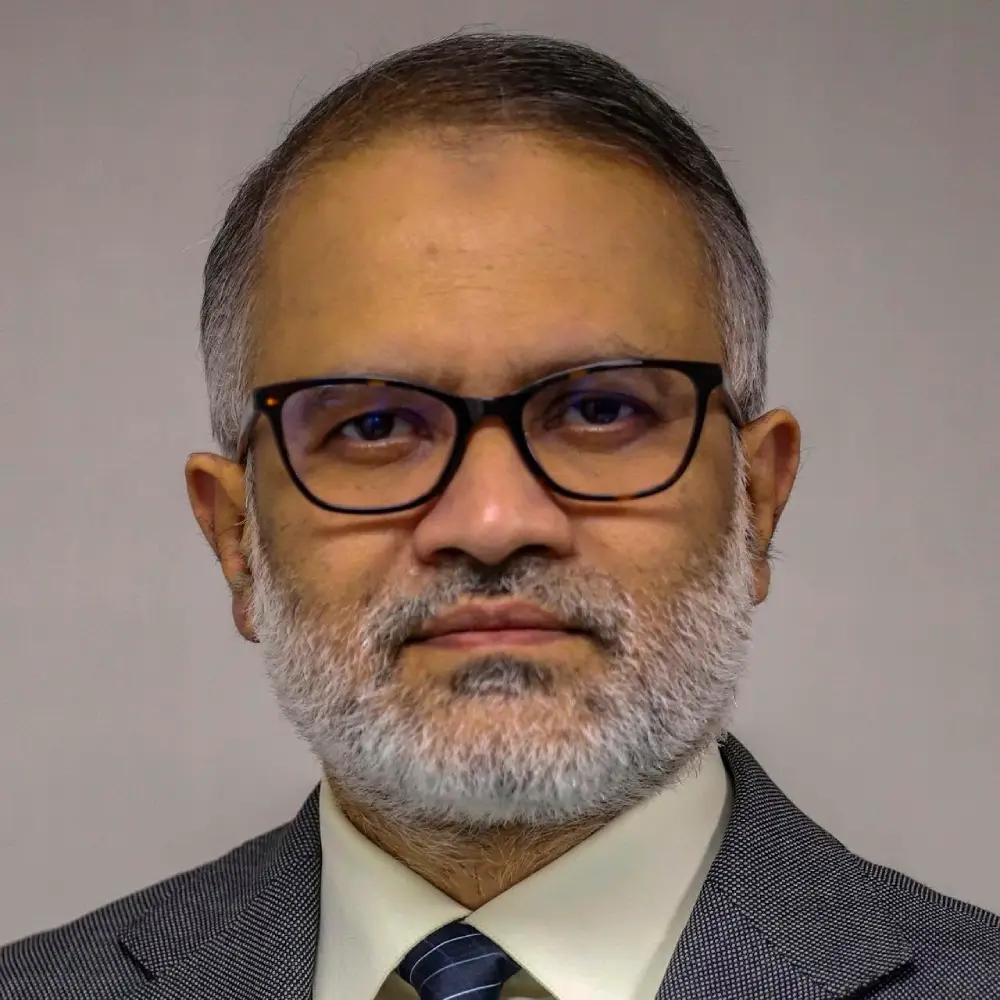
Toufique Imrose Khalidi is the Founder, Editor-in-Chief, and CEO of bdnews24.com, Bangladesh's first internet-only news operation. A former BBC broadcaster, he has led the outlet since 2006 and won the National ICT Award in 2017 for transforming it into an influential internet news service.
Tasfia Tasbin
Tasfia Tasbin co-founded Markopolo AI in Dhaka in 2021, an AI-native customer engagement platform now serving e-commerce businesses internationally. In 2023, she and her co-founder were named to the Forbes 30 Under 30 Asia list.
Tareq Hasan
Tareq Hasan is a Bangladeshi software engineer and entrepreneur, and the Founder and CTO of weDevs, one of Bangladesh's most successful bootstrapped WordPress product companies. He also co-founded Dokan Multivendor, one of the most widely used WooCommerce marketplace plugins in the world.
Tanvir A Mishuk
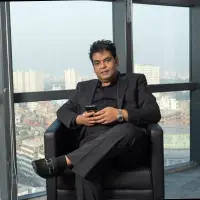
Tanvir A Mishuk founded Nagad in 2019 in partnership with Bangladesh Post Office, growing it into a mobile financial service with more than 80 million users. He later led its transition toward becoming the country's first digital bank.
Sylvana Quader Sinha
Sylvana Quader Sinha founded Praava Health in 2014 after a family health scare in Bangladesh, building the country's first fully integrated outpatient healthcare platform. She led the company as CEO for eleven years before transitioning to Chair of the Board in 2025.

Syed Mamnun Quader
Syed Mamnun Quader is the Founder, MD, and CEO of Southtech Group, one of Bangladesh's earliest software companies, founded in 1996 after 13 years in London and Bahrain banking. A BASIS founding member, he was named the Daily Star's ICT Pioneer of the Year in 2021.

Syed Almas Kabir
Syed Almas Kabir is the Managing Director and CEO of MetroNet Bangladesh, the country's first commercial fiber optic network operator. He served as President of the Bangladesh Association of Software and Information Services from 2018 to 2022 and has spent more than 33 years in Bangladesh's ICT sector.
Shahir Chowdhury
Shahir Chowdhury co-founded Shikho in 2019 after 16 years in UK financial services, building a hyper-localized digital learning platform for Bangladesh's 85-million learning-age population. The company has raised eight million dollars from investors including Sturgeon Capital.

Sanzid Raihan
Raihan Ul Islam Sanzid founded Chorcha in 2020, an exam-preparation platform for SSC, HSC, admission, and BCS candidates that has surpassed one million app installs. The platform now serves more than 500,000 students with a database of over one million practice questions.
Sadia Haque
Sadia Haque co-founded ShareTrip, rebranding a small travel agency into Bangladesh's leading online travel platform with more than 1.5 million downloads. In 2024, she was honored as ICT Woman of the Year at The Daily Star's ICT Awards.

Rosina Mazumder
Rosina Mazumder co-founded Arogga in 2020, building it into Bangladesh's largest medicine delivery platform and closing a five million dollar seed round. A former banking compliance manager, she later won the InspiringFifty Award at London Tech Week.

Ridwan Hafiz
Ridwan Hafiz founded GoZayaan in 2017, growing it into the largest online travel agency across Bangladesh and Pakistan. He had earlier co-founded Analyzen, Bangladesh's first digital marketing agency, and scaled it to eight figures in revenue before exiting to build GoZayaan.
M. Rezaul Hassan (Rezaul Hasan)
M. Rezaul Hassan is the Founder and Group CEO of REVE Systems, a telecom and VoIP software company serving more than 2,300 operators across 80-plus countries. What started as a six-person team in a Khilgaon garage in 2003 has grown into a Singapore-headquartered conglomerate spanning nine business verticals.
Reyasat Chowdhury
Reyasat Chowdhury co-founded Shuttle in 2018, starting with a women-only commuter service to address the lack of safe transportation in Dhaka. He led the company as CEO for six years before transitioning to President, and was named to Forbes 30 Under 30 Asia.

Rajib Das
Rajib Das founded Loop Freight in 2018, a technology-enabled logistics platform connecting shippers and truck carriers across Bangladesh. Drawing on his family's background in freight and textile exports, he built a company that won the National Award for Industrial Innovation in 2020.
Raisul Kabir
Raisul Kabir is the Founder and CEO of Brain Station 23, one of Bangladesh's largest software exporters, employing more than 700 people across the world. What began as a freelance side job during his engineering studies grew into a company built without outside investment.
Nizam Uddin
Nizam Uddin is the Co-Founder and CEO of weDevs, the company behind Dokan Multivendor, the world's most widely used WordPress marketplace plugin. He grew up in a village in Pabna without electricity before building one of Bangladesh's largest bootstrapped software companies.
Nazmul Sheikh
Nazmul Sheikh co-founded Shajgoj in 2013, building it into Bangladesh's leading platform for authentic international cosmetics and beauty products. Under his leadership, the company won Daily Star's ICT Startup of the Year in 2021 and became one of only two Bangladeshi startups backed by Sequoia Capital India.

Nazmul Ahsan
Nazmul Ahsan is the Founder and CEO of Codexpert, a Dhaka-based WordPress product and services studio behind EasyCommerce, CoDesigner, and Pluggable.io. A WordPress Core Contributor with more than sixteen years of experience, he leads a team of over 20 people from Bangladesh.
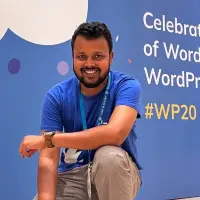
Mohammad Shahjahan (Shahjahan Jewel)
Mohammad Shahjahan, known as Shahjahan Jewel, is the Founder and CEO of WPManageNinja, the company behind Fluent Forms, FluentCRM, and the wider Fluent Suite of WordPress plugins. His products now power more than 1.25 million websites and are used by over 750,000 businesses worldwide.
M. Mahboob Zaman
M. Mahboob Zaman founded DataSoft Systems Bangladesh in 1998 with just Tk 10 lakh in capital, building it into one of the country's earliest CMMI Level 5 certified software companies. A former freedom fighter in Bangladesh's 1971 Liberation War, he later expanded into hardware manufacturing with DMA.

Maliha M Quadir
Maliha M Quadir founded Shohoz in 2014, digitalizing Bangladesh's unstructured ticketing industry into a super app for ridesharing, deliveries, and travel bookings. A Harvard MBA and former Morgan Stanley banker, she was named a World Economic Forum Young Global Leader in 2017.
Mahmud Rahman
Mahmudur Rahman co-founded WeGro in 2021, an agri-fintech platform now serving more than 20,000 smallholder farmers across Bangladesh with credit, inputs, and insurance. Raised in a farming family, he built the company after an earlier cattle-farming venture during the pandemic.
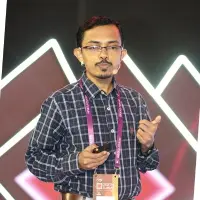
Mahadi Hasan Sagor
Mahadi Hasan Sagor co-founded Geeky Social in 2014, Bangladesh's first specialized social media marketing agency. What started as a two-person team has since run campaigns worth over BDT 1.5 crore for more than 100 brands across the country.
Kaymun Amin
Kaymun Amin is the Founder and CEO of AdPlay Technology, the company that pioneered programmatic advertising in Bangladesh's digital media market. He also founded VU Mobile in 2005, a mobile services platform serving over 10 million subscribers.
Kamal Quadir
Kamal Quadir founded bKash in 2010, growing it into Bangladesh's first unicorn and a mobile financial service serving over 82 million verified customers. A former artist and MIT Sloan graduate, he earlier built and sold CellBazaar to Telenor before turning to fintech.
JM Akbar
JM Akbar is the Founder, Chairman, and CEO of BJIT Group, a Bangladesh-Japan IT company he co-founded in 2001 with just 10 engineers. BJIT now runs eight global offices and more than 750 engineers, marking 25 years as a pioneer of Bangladesh's IT outsourcing industry.
Jhankar Mahbub
Jhankar Mahbub founded Programming Hero after switching careers from industrial engineering to coding, building a YouTube channel and app that now teaches more than 600,000 students worldwide. The Business Standard has profiled his path from a self-taught programmer to a coding educator.

Ivy Huq Russell
Ivy Huq Russell founded Maya in 2011 as a blog for mothers, later partnering with BRAC to launch an anonymous health messaging app named after her mother, a breast cancer survivor. As The Daily Star has reported, the platform now connects users to doctors and counselors.
Hasnaeen Rizvi Rahman
Hasnaeen Rizvi Rahman is the Founder and CEO of Astha IT, a Bangladeshi software company he built from scratch at age 25. A national chess runner-up turned self-taught programmer, he grew Astha IT into a multiple-time award-winning top software exporter.
Habibul Mustafa
Habibul Mustafa co-founded Khaas Food in 2016 alongside two university friends, building it into a platform selling pure, chemical-free grocery products across Bangladesh. He served as CEO for its first six years before transitioning to Managing Director in 2023.
Fida Haq
Fida Haq co-founded shurjoMukhi Limited in 2010, building shurjoPay into Bangladesh's first online payment gateway and a licensed Payment Service Operator. A medical doctor turned fintech founder, he has pushed the country toward becoming a cashless society.

Fahim Mashroor
Fahim Mashroor co-founded Bdjobs.com in 2000, Bangladesh's leading online job portal, and later built AjkerDeal.com into the country's largest B2C marketplace. He served as BASIS President in 2013 and received the ICT Personality of the Year award in 2014.
Fahad Ifaz
Fahad Ifaz co-founded iFarmer in 2018, an agri-tech platform connecting smallholder farmers with financing and supply-chain support. After nearly a decade in market-systems development with the World Bank and CARE International, he raised over two million dollars for the venture.

Aziz Arman
Aziz Arman co-founded Jatri in 2019, Bangladesh's first bus tracking and digital ticketing platform, partnering with the Dhaka Bus Owners' Association to digitize thousands of public buses. The company has raised over five million dollars from investors including Reflect Ventures.

Ayman Sadiq
Ayman Sadiq founded 10 Minute School in 2015, a bootstrapped online education platform now teaching more than 250,000 students daily, entirely free. In 2018, he won a Queen's Young Leaders Award and was named to Forbes Asia's 30 Under 30 list.
Ataur Rahim Chowdhury
Ataur Rahim Chowdhury co-founded ShopUp in 2017 and now serves as CEO of its Bangladesh operations, the country's largest B2B commerce platform for small businesses. The platform connects millions of neighborhood shops to supply, credit, and logistics.
Anayet Rashid
Anayet Rashid co-founded Truck Lagbe in 2016, an online platform connecting truck owners and drivers with shippers across Bangladesh. Under his leadership, the company has grown to more than 80,000 registered trucks and raised $5 million from investors including IFC and IDLC Finance.

Ahsan Khan Chowdhury
Ahsan Khan Chowdhury has served as Chairman and CEO of PRAN-RFL Group since 2016, leading Bangladesh's largest food and beverage conglomerate. Under his leadership, the company his father founded in 1981 now exports to more than 135 countries and employs over 100,000 people.
Abdullah Al Musabbir
Abdullah Al Musabbir co-founded Ostad in 2020 alongside four fellow engineering graduates, building a live-streaming skills platform for job seekers and freelancers in Bangladesh. As Prothom Alo has reported, Ostad helps users develop practical skills through live learning.

Waseem Alim
Waseem Alim co-founded Chaldal in 2013 and serves as its CEO, building it into Bangladesh's largest online grocery delivery platform. A Wharton graduate and former Silicon Valley product strategist, he brought international tech experience back to Dhaka's e-commerce market.
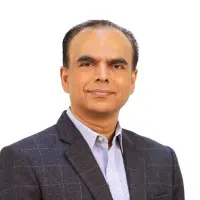
Shahadat Khan
Dr. Shahadat Khan founded Progoti Systems and its flagship platform TallyKhata, now used by more than 5.5 million small businesses in Bangladesh for digital bookkeeping and working-capital loans. He previously served as CTO at Eyeball Networks in Canada.
Morin Talukder
Morin Talukder co-founded Pickaboo and serves as its CEO, growing it into one of Bangladesh's leading consumer electronics e-commerce platforms. A Forbes 30 Under 30 Asia honoree, he previously built and sold the online marketplace ehatbazaar.com before focusing on Pickaboo.
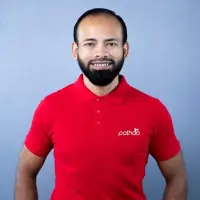
Fahim Ahmed
Fahim Ahmed is the Managing Director and CEO of Pathao, the largest digital platform for ride-sharing, food delivery, and e-commerce logistics in Bangladesh and Nepal. He joined as CFO in 2018 and was named CEO in 2021.
Ershadul Hoque
Ershadul Hoque is the Founder and CEO of Riseup Labs, a Dhaka-based technology company building custom software, games, immersive tech, and AI-powered platforms. He previously co-founded a Malaysian startup before returning to Bangladesh to build his own company.
Dr. F. H. Ansarey
Dr. F.H. Ansarey serves as Managing Director and CEO of ACI Agrolink, one of Bangladesh's leading agribusiness integrators. With more than 35 years in agriculture, he conceived ACI's "Creating Wealth for Farmers" mission and helped launch multiple agribusiness subsidiaries.
Hasin Hayder
Hasin Hayder has worked with WordPress since 2005 and co-founded two WordPress businesses, ThemeBucket and HappyMonster, the team behind HappyAddons. He has also written a book on WordPress and taught more than 10,000 students through his platform, LearnWithHasinHayder.
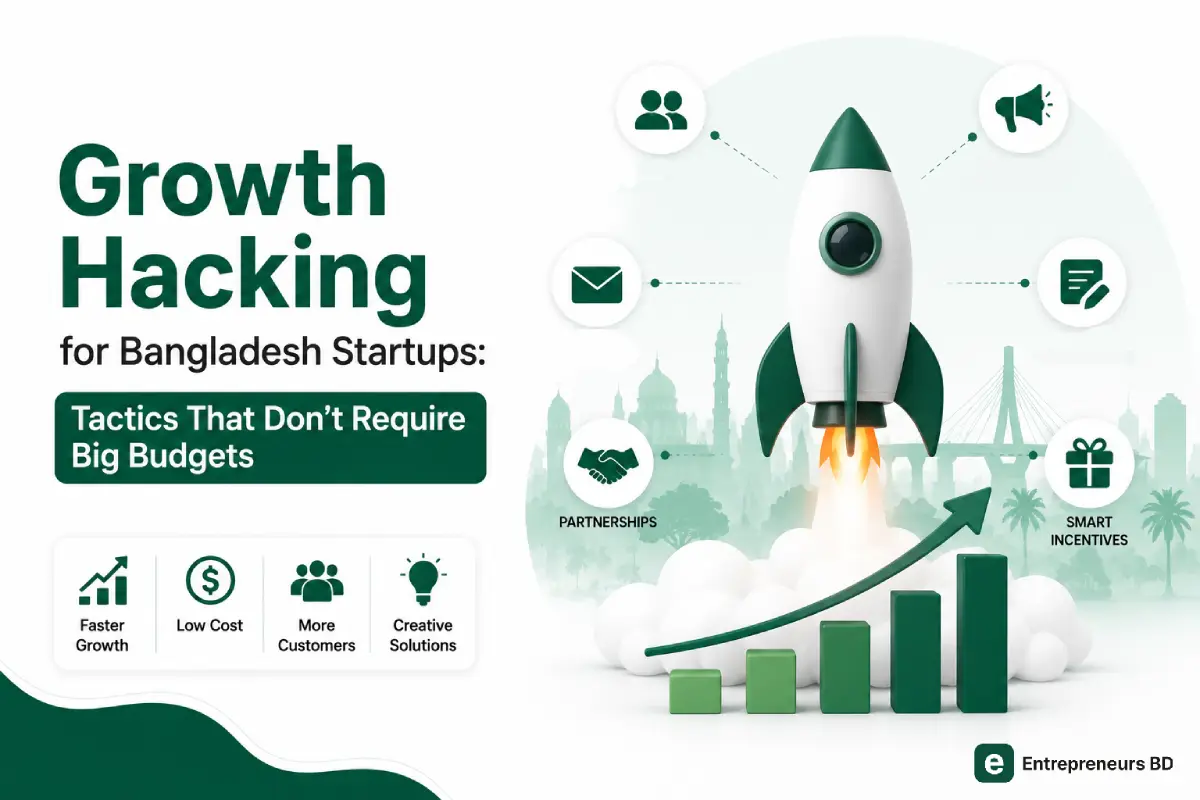
Growth Hacking for Bangladesh Startups: Tactics That Don't Require Big Budgets
Growth hacking for Bangladesh startups means using referral loops, organic Facebook and WhatsApp communities, SEO content, and mobile financial service incentives to win customers without paid ads. These tactics work because they lean on distribution channels Bangladeshi customers already use every day, not on a marketing budget.
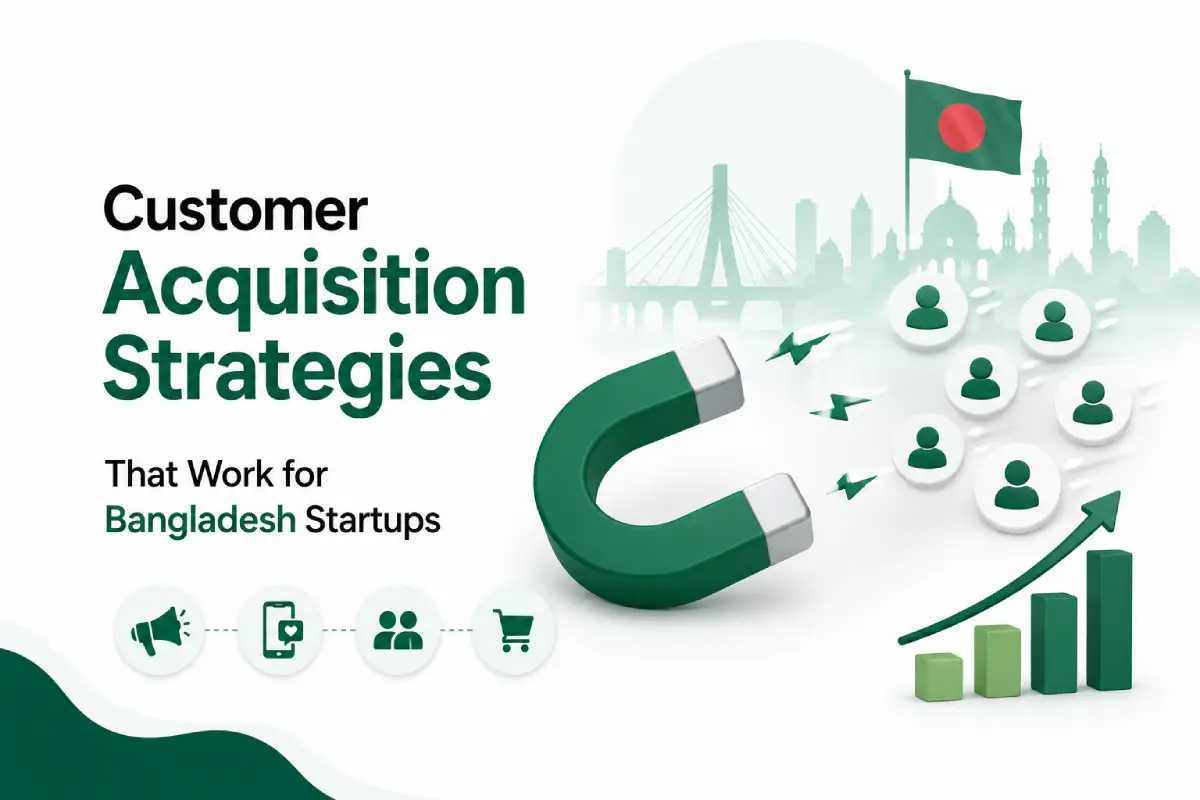
Customer Acquisition Strategies That Work for Bangladesh Startups
Quick Answer: The most effective customer acquisition strategies for Bangladesh startups combine low-cost digital channels (Facebook, WhatsApp Business, SEO), mobile financial service integration for frictionless payment, referral-driven growth, and hyperlocal targeting. Startups that blend paid acquisition with retention-focused tactics see the lowest long-term cost per customer.
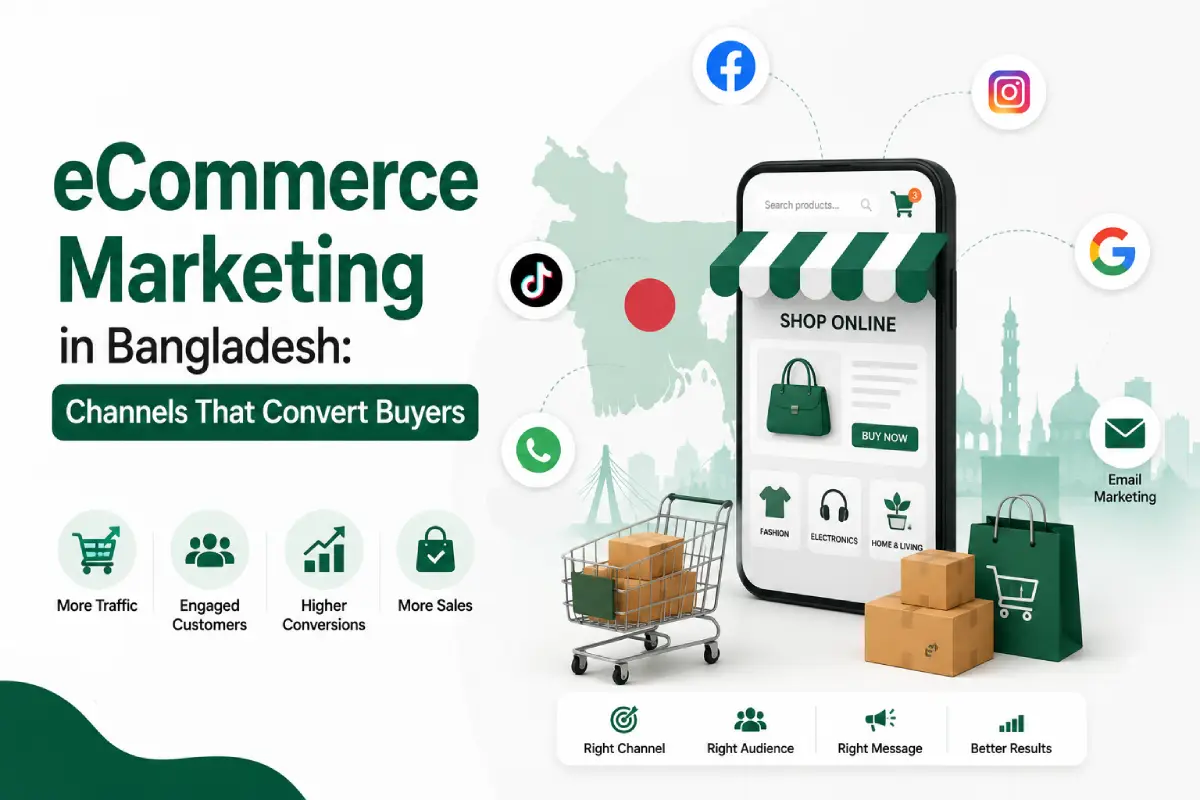
eCommerce Marketing in Bangladesh: Channels That Convert Buyers
eCommerce marketing in Bangladesh works best through a mix of Facebook and social commerce, mobile-first search content, and checkout options built around bKash, Nagad, and cash on delivery. Buyers convert when trust signals, local payment methods, and fast delivery promises are visible before they add a product to cart.

Kawshar Ahmed
Kawshar Ahmed founded JoomShaper in 2010, later restructuring it under the parent company Ollyo in 2021, building a portfolio of WordPress and Joomla products including Tutor LMS and the no-code builder Kirki. He holds a degree from Bangladesh Textile University and leads a team of more than 65 people from Dhaka.

Google Ads for Bangladesh Businesses: Setup, Budget, and Bidding Guide
Quick Answer: Running Google Ads for Bangladeshi businesses means setting up BDT billing and conversion tracking first, sizing a daily budget against your own profit margins (most SMEs start at 500 to 2,000 taka), and starting with manual CPC or Maximize Clicks before switching to Smart Bidding once you have steady conversion data.
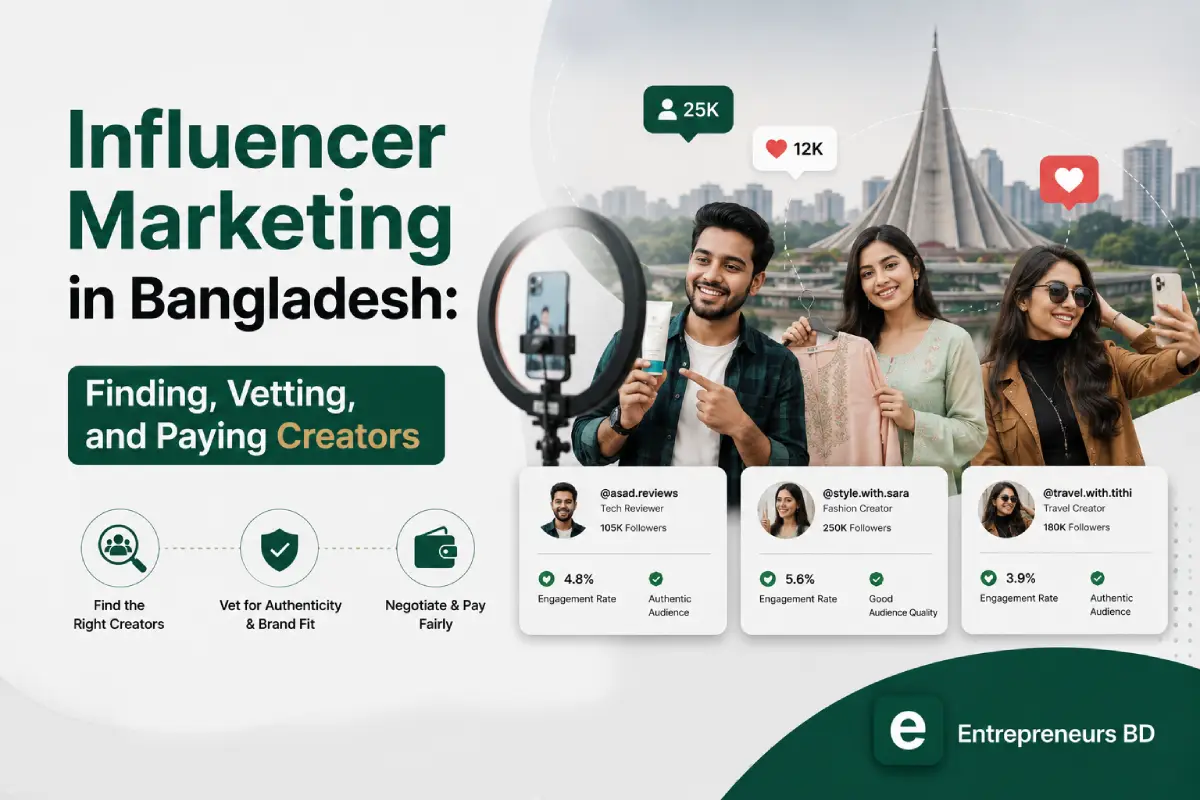
Influencer Marketing in Bangladesh: Finding, Vetting, and Paying Creators
Quick Answer: Influencer marketing in Bangladesh means partnering with local content creators on Facebook, YouTube, and TikTok to promote your brand. Success depends on finding creators whose audience matches your target market, vetting them for genuine engagement, and paying them through mobile banking platforms like bKash or Nagad.
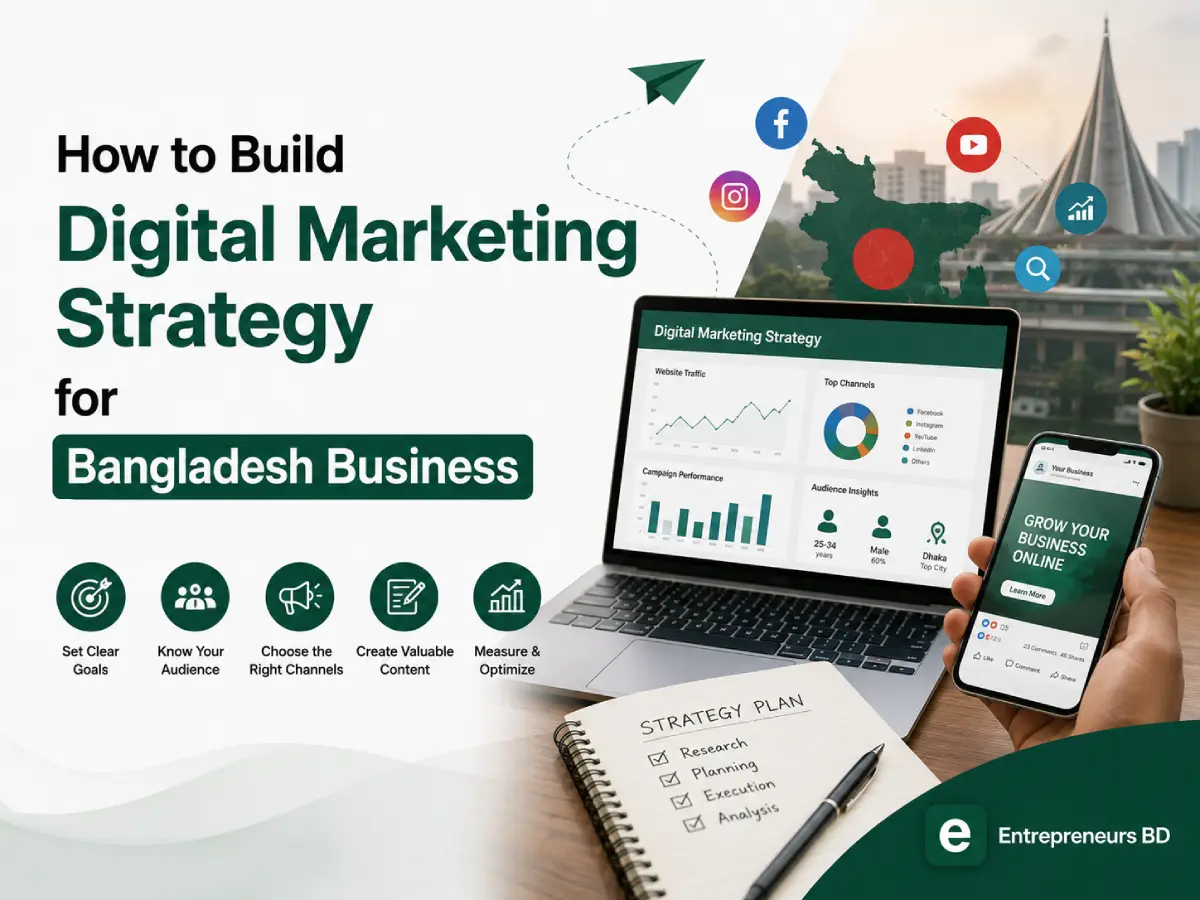
How to Build a Digital Marketing Strategy for a Bangladesh Business
A digital marketing strategy for a Bangladeshi business is a structured plan that defines your target audience, chooses the right channels (Facebook, Google, email, SEO), sets measurable goals, and allocates budget to reach customers online. Given Bangladesh's mobile-first internet culture and active Facebook user base, your strategy must prioritize mobile optimization and platform-specific content.

Email Marketing in Bangladesh: Tools, Deliverability, and List Building
Quick Answer: Email marketing in Bangladesh works best when you pair the right ESP (Mailchimp, Brevo, or a local alternative) with a permission-based list and a proper domain authentication setup. Most Bangladeshi businesses struggle with deliverability, not strategy. Fix SPF, DKIM, and your list hygiene first, then focus on growth.

Content Marketing for Bangladesh Brands: How to Build Trust and Traffic
Quick Answer: Content marketing for Bangladeshi brands means creating useful, relevant content that answers your audience's real questions, builds credibility over time, and drives organic traffic without paid ads. Brands that consistently publish honest, audience-first content earn trust faster than those relying on promotions alone.
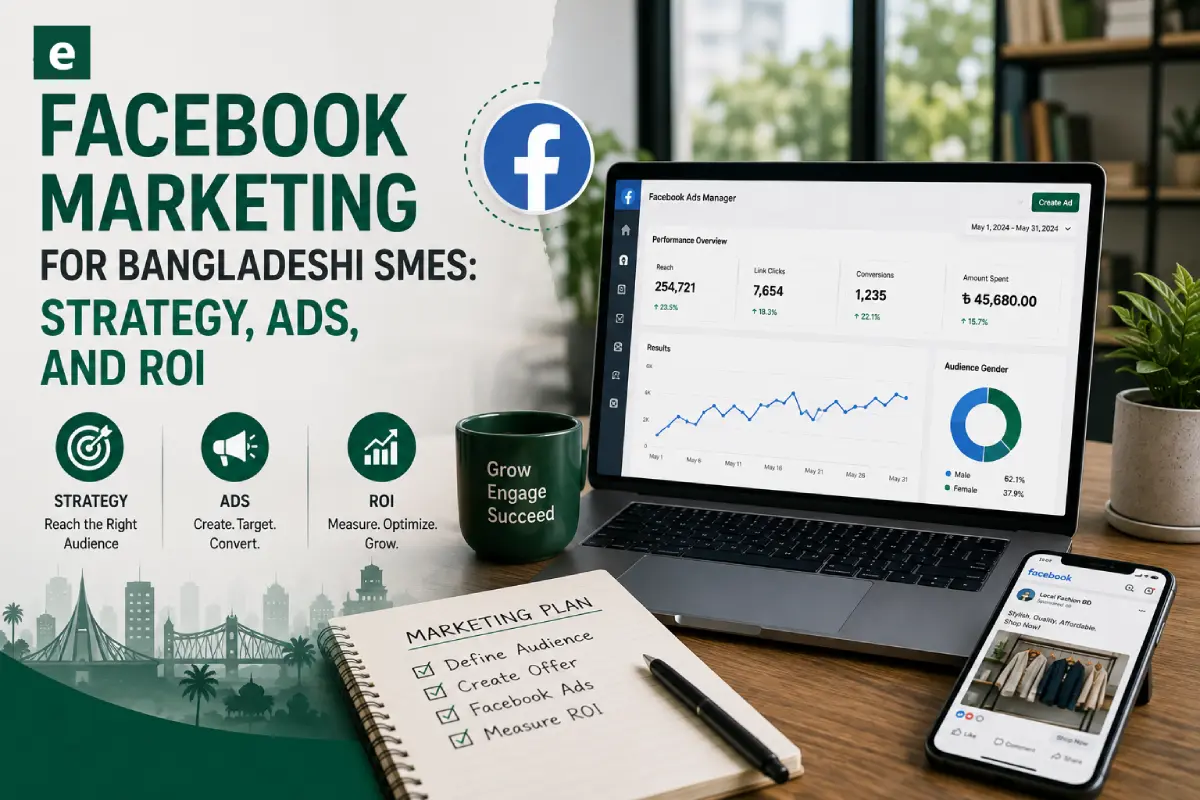
Facebook Marketing for Bangladeshi SMEs: Strategy, Ads, and ROI
Quick Answer: Facebook marketing for Bangladeshi SMEs involves building an optimized Business Page, posting consistently for organic reach, and running targeted paid ads using Meta Ads Manager. With over 50 million Facebook users in Bangladesh and low ad costs compared to Western markets, SMEs can generate strong ROI even on modest budgets of BDT 5,000–20,000 per month.
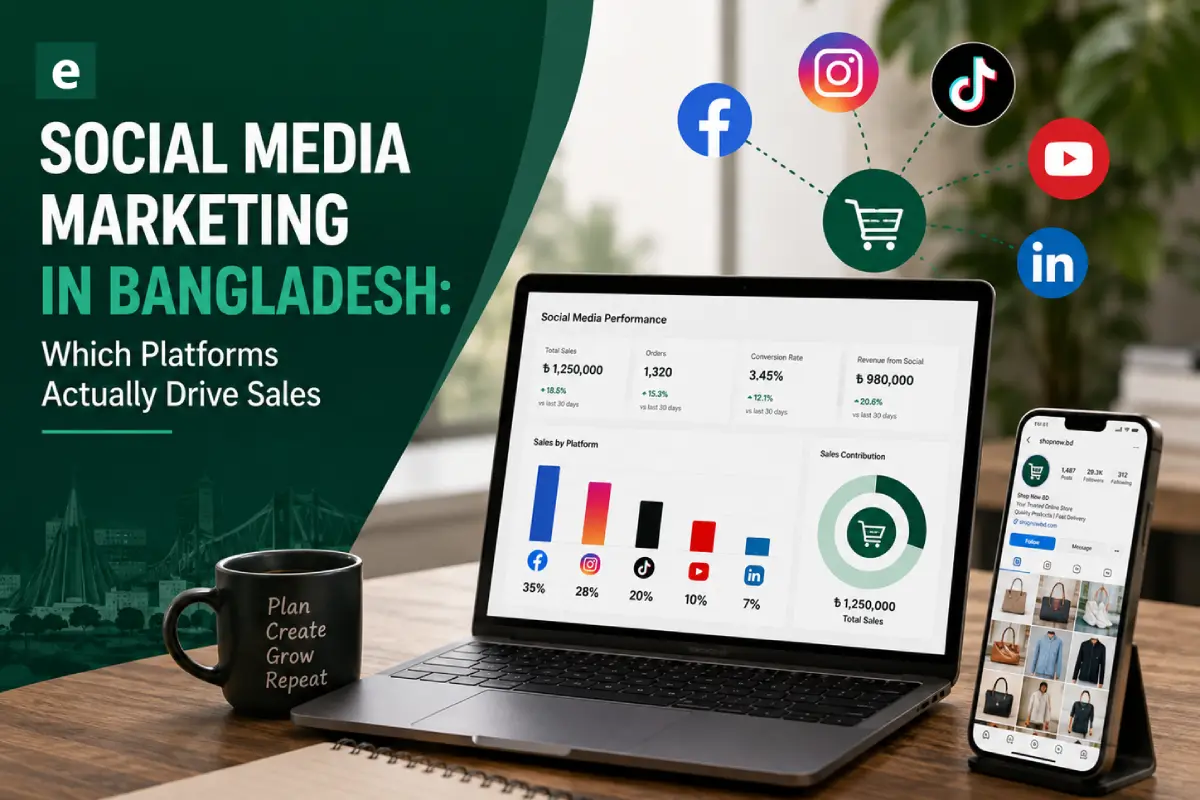
Social Media Marketing in Bangladesh: Which Platforms Actually Drive Sales
Quick Answer: In Bangladesh, Facebook remains the dominant platform for direct sales, particularly through Facebook Pages, Groups, and Messenger commerce. YouTube drives strong purchase intent through product reviews and tutorials. TikTok is rapidly gaining ground with younger buyers. The right platform depends on your product type, target audience, and budget, not on what is globally popular.
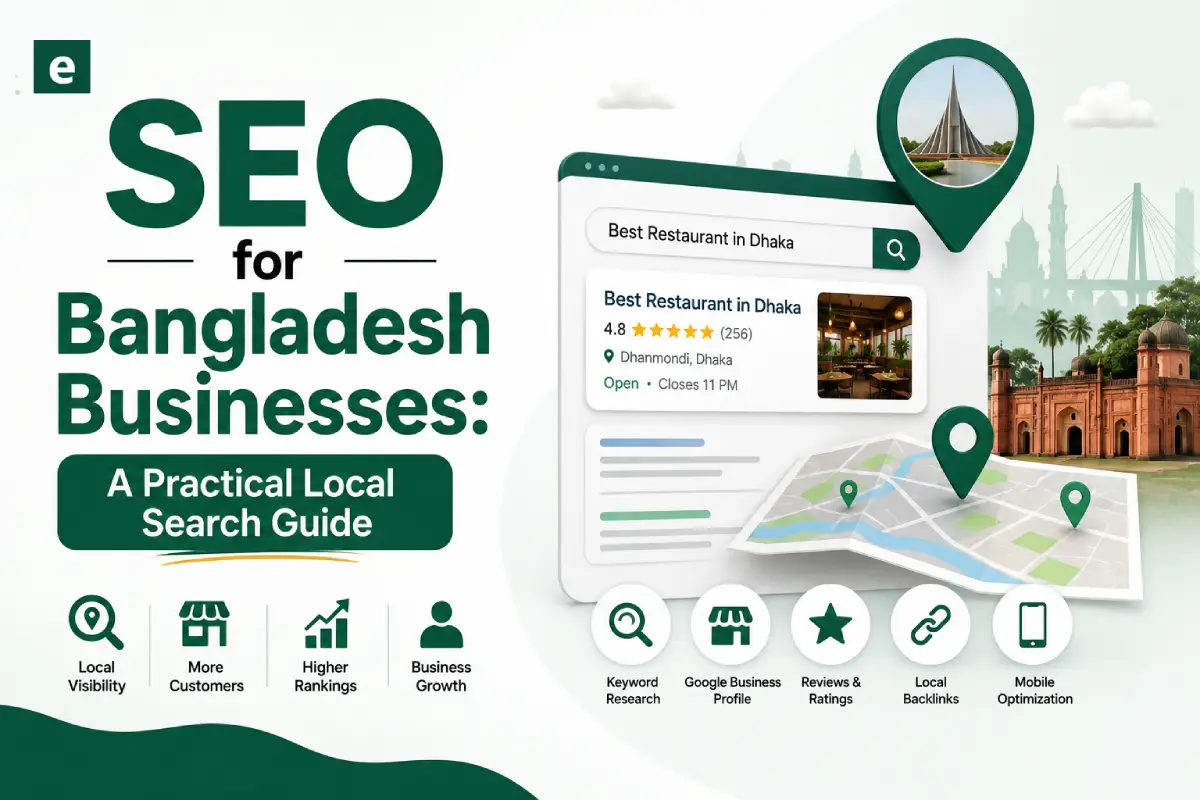
SEO for Bangladesh Businesses: A Practical Local Search Guide
Quick Answer: SEO for Bangladesh businesses involves optimizing your website to rank higher in local Google search results. The strategy requires targeting location-specific keywords, claiming your Google Business Profile, ensuring fast mobile load speeds, and creating culturally relevant content in both Bangla and English.
When and How to Scale Your Bangladesh Startup Without Burning Out
Quick Answer: Scale your Bangladesh startup when you have consistent revenue, a repeatable sales process, and a team that can run operations without you. Avoid burnout by delegating systematically, setting growth targets tied to capacity, not pressure, and separating founder energy from business momentum.
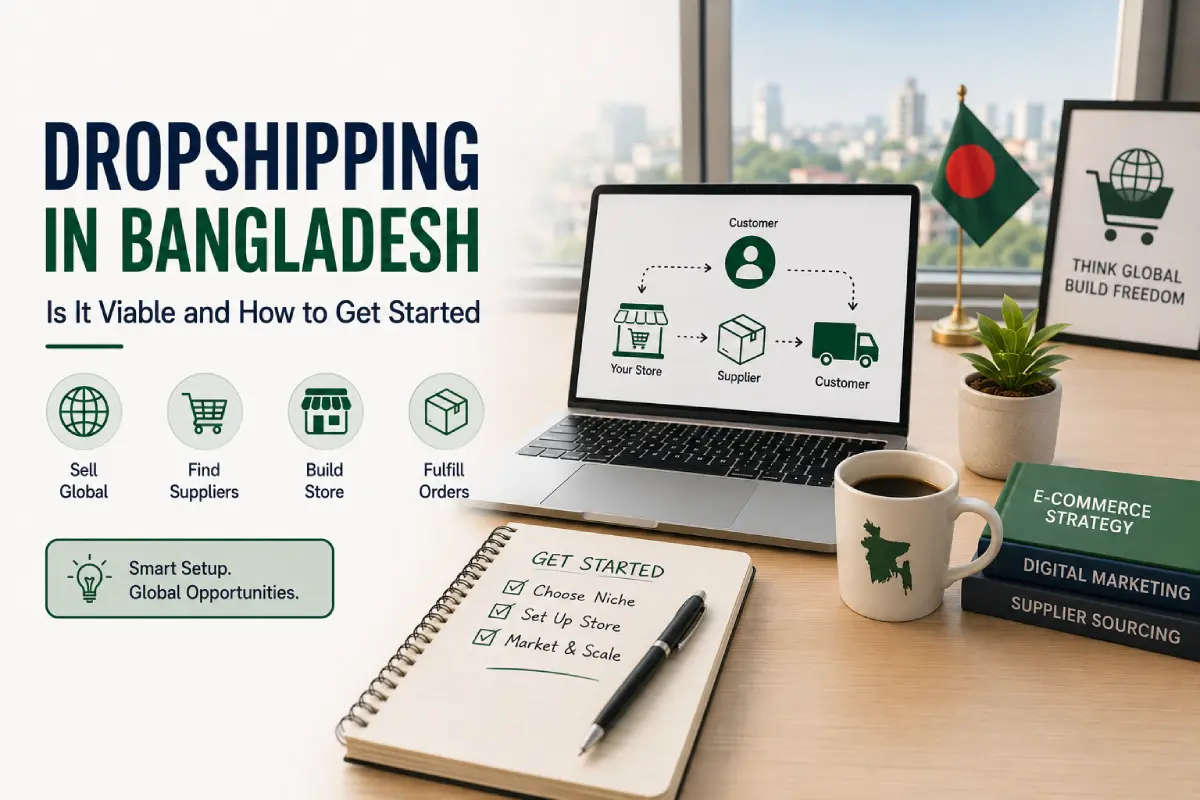
Dropshipping in Bangladesh: Is It Viable and How to Get Started
Quick Answer: Dropshipping is viable in Bangladesh, but it requires navigating real structural barriers, payment gateway access, supplier reliability, and export regulations. With the right niche, supplier setup, and payment workaround, Bangladeshi entrepreneurs can run profitable dropshipping businesses targeting global customers.

M Asif Rahman
M Asif Rahman founded WPDeveloper in 2012, growing Essential Addons for Elementor into one of the top plugins in the WordPress ecosystem with more than 7 million active installations. A serial entrepreneur since founding ARCom in 2004, he also invests in early-stage Bangladeshi startups and was named a JCI Ten Outstanding Young Person.

Ollyo
Ollyo is a Dhaka-based software company that has built WordPress and Joomla products since 2010, including Tutor LMS, Kirki, and JoomShaper, now used by millions of people worldwide.
Future of Entrepreneurship
Entrepreneurship keeps changing shape. New tech, new markets, and new customer habits reshape it with every generation of founders.This page looks at the long-t...
Challenges, Risks & Failure
Entrepreneurship carries real difficulty, not just the chance of it. Most founders hit serious setbacks at some point. Many businesses don't survive their first...
Business Models & Monetization
A business model is the logic behind how a company creates value and gets paid for it. Every business runs on one, whether the founder ever writes it down or no...
What Is Entrepreneurship
Entrepreneurship is one of the most talked-about ideas in business. But the word gets used loosely. It can mean a tech founder raising millions of dollars. It c...
Business Planning
Business planning isn't a one-time document you write and file away. It's an ongoing way of thinking through what a business needs. This happens before you spen...
Sales & Customer Acquisition
A business only survives if it can find customers and turn them into buyers, again and again. Sales and customer acquisition are the two linked jobs that make t...
Finance & Funding for Entrepreneurs
Every business runs on money. It needs money to start. It needs money to survive slow months. Often, it needs more money to grow faster than daily profit allows...
Operations & Supply Chain
A great product still needs a working system behind it. Operations and supply chain are the parts of a business that turn a good idea into something real, deliv...
Startup vs SME vs Solopreneurship
Not every business is trying to become the next big company. Some are built to stay small on purpose. Others are built to grow fast, often with outside money al...
Marketing & Growth for Entrepreneurs
Marketing is how a business gets noticed, understood, and chosen over other options. Growth happens when that process keeps working, again and again, at a bigge...
Technology & Digital Entrepreneurship
Tech has changed how businesses get built. It has changed how they run too. Many businesses now start almost entirely online. This costs far less than in the pa...
Leadership for Entrepreneurs
Building a business and leading people are two different skills. One founder often has to do both. A great idea can still struggle if the team behind it isn't l...
Entrepreneurial Mindset & Skills
Entrepreneurship rewards a specific set of habits more than any single personality trait. These habits can be learned. They can be practiced too. They aren't ju...