HealthTech in Bangladesh: Opportunities, Regulations, and Early-Stage Players
HealthTech in Bangladesh covers telemedicine, e-pharmacy, diagnostics logistics, and digital health records serving a population with limited doctor access outside major cities. No single unified health-tech law exists yet; founders answer to DGDA, BMDC, and DGHS depending on the product. Early movers like Praava Health and Arogga built durable models around trust and last-mile delivery, not app polish.
Key Takeaways
Bangladesh's public hospitals had only 30,311 doctors in service against an estimated need of 88,909 as of September 2026, a gap that pushes demand toward remote care
No single healthtech law exists; founders answer to DGDA for medicines and devices, BMDC for clinical practice, and DGHS for public health data
Telemedicine and e-pharmacy are the two segments with the clearest regulatory guidance so far
Trust and verified prescriptions matter more to Bangladeshi users than app polish
Diagnostics logistics and corporate health benefits remain underbuilt niches with less competition
Healthcare access in Bangladesh has always had a geography problem. Most specialists practice in Dhaka and Chattogram.
The gap became a national talking point in September 2026, when the health minister told parliament that government hospitals had only 30,311 doctors in service against an estimated need of 88,909. That shortage is exactly what has pulled a wave of tech startups in Bangladesh toward healthcare.
Video consultations, home sample collection, verified online pharmacies, and digital patient records all substitute for physical proximity to a doctor. The opportunity is real, but it is not a copy-paste of Western digital health models.
Regulation here is fragmented across agencies not originally designed with software in mind. The winning products so far look less like sleek consumer apps and more like operationally heavy businesses that happen to use technology.
This piece maps the opportunity, the rules a founder actually deals with, and who has already made progress.
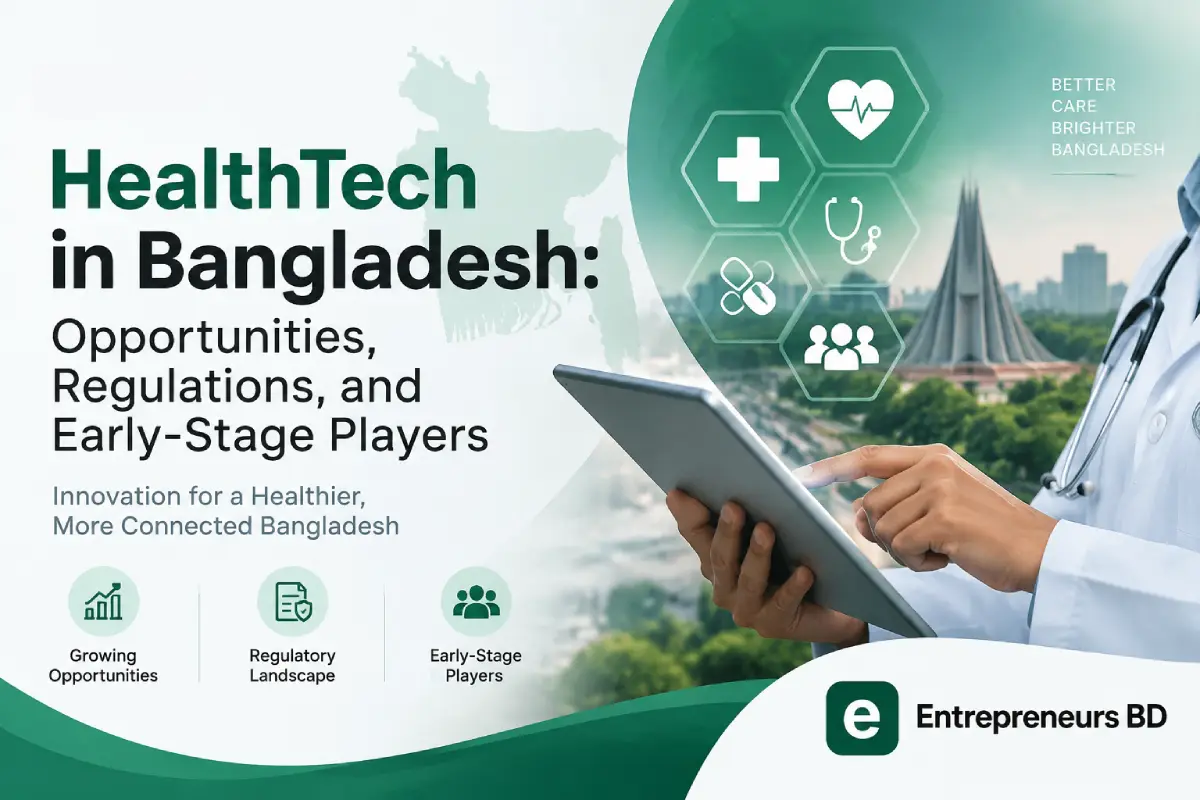
The Market Gaps HealthTech Is Filling
Four segments define the space, each addressing a different failure point in traditional healthcare delivery.
Telemedicine is the most visible. A consultation that would otherwise mean a half-day trip to a city hospital can happen over a video call, with a prescription issued the same session.
Praava Health, founded by Sylvana Quader Sinha, built its brand around this promise. It pairs remote consultations with physical clinics, so patients get lab work and follow-up care without losing the trust of an in-person touchpoint.
E-pharmacy is the second segment, and the one with the clearest regulatory guardrails already in place. Arogga delivers prescription and over-the-counter medicine to homes.
It competes less on price and more on authenticity. Counterfeit and expired medicine remain a real concern for buyers who cannot verify a product at the point of sale.
Diagnostics logistics is quieter but underserved. Home sample collection for blood tests and imaging referrals solves a genuine last-mile problem, particularly for elderly patients managing chronic conditions.
Health-adjacent fintech is the fourth, less obvious segment. Micro-insurance products, installment plans for hospital bills, and corporate health benefit platforms for the growing garment workforce are still mostly unbuilt.
The Regulatory Landscape Founders Actually Face
There is no single healthtech act in Bangladesh. A founder answers to whichever agency governs the specific activity their product touches.
The Directorate General of Drug Administration regulates medicine and medical devices. Any e-pharmacy or diagnostics product handling prescription drugs needs to understand DGDA's pharmacovigilance guideline, which covers how adverse reactions to medicines and devices must be tracked and reported. DGDA developed the guideline with technical support from WHO Bangladesh and USAID, and has updated it since its original launch.
The Bangladesh Medical and Dental Council governs what a licensed physician can do remotely. A telemedicine platform needs its clinical partners operating within BMDC's guidelines, not just a working video call feature.
At the policy level, the Ministry of Health and Family Welfare has been steering the sector through a national Digital Health Strategy for 2023 to 2027, developed with support from WHO Bangladesh. It sets out a national digital health architecture meant to connect hospital records, community clinics, and health information systems.
This is part of a broader push to use digital tools to improve access, quality, and affordability of health services. For a founder, this matters as a signal of where government infrastructure and procurement priorities are heading.
Data privacy is the area with the least specific guidance so far. Founders building anything that stores prescriptions or lab results should treat that data with the same care a fintech founder treats financial records.
Review your structure against the startup legal checklist before scaling collection of any personal health information.
Bangladesh Context: Who Is Building Already
The early-stage players that have lasted solved a distribution or trust problem before they solved a technology problem.
Praava Health's clinic network exists because patients wanted a physical place to go for follow-up, not just an app. Arogga's growth has depended on proving its medicine supply chain is clean, since that is the biggest objection a first-time buyer has toward ordering medicine online.
Funding for this category has been thinner than for fintech or e-commerce. Investors are still working out how to underwrite regulatory risk spread across multiple agencies.
Founders exploring this space should look at startup funding options available locally. Foreign investors familiar with healthtech regulation elsewhere often bring more patience for this kind of build than domestic angel money looking for a faster return.
Practical Steps for Founders Entering HealthTech
Map which regulator actually governs your specific product first. A diagnostics booking app and a prescription delivery app answer to different rules even if both call themselves healthtech.
Partner with licensed clinicians from day one rather than treating them as a later hire. BMDC compliance depends on the practitioner, not the platform.
Build the offline layer before the app layer. A cold chain for lab samples or a verified pharmacy relationship is harder to copy than a UI, and is usually the real moat.
Validate the specific pain point with real patients before assuming a Dhaka-based solution transfers elsewhere. The same discipline from validating a startup idea applies here, since healthcare behavior varies more by region than most product categories.
Plan for data handling standards now, even without a dedicated health data law. The reputational cost of a breach in a sector built on trust is higher than in most other verticals.
Frequently Asked Questions
Is telemedicine legal in Bangladesh?
Which regulator approves a healthtech startup in Bangladesh?
How big is the healthtech market opportunity in Bangladesh?
What makes e-pharmacy different from other e-commerce in Bangladesh?
Do healthtech startups in Bangladesh need to store patient data securely?
Can foreign investors fund a Bangladeshi healthtech startup?
Building Trust Before Building Scale
HealthTech in Bangladesh rewards patience more than most other startup categories.
The products that have lasted did not win by moving fast and breaking things. They won by solving a genuine access problem, earning trust one verified prescription or one honest consultation at a time.
They also treated regulation as a design constraint, not an afterthought.
For a founder weighing this space against a faster category like e-commerce or fintech, the honest tradeoff is longer sales cycles and heavier compliance work. In exchange, the market is full of patients actively looking for someone reliable to trust with their health.
That gap is not closing on its own. The founders willing to build the unglamorous operational layers underneath the app are the ones most likely to still be standing in five years.

Specializing in SaaS product marketing, SEO strategy, Content marketing, TikTok advertising, PPC, and digital growth.
View Full Profile & ContributionsRelated Articles
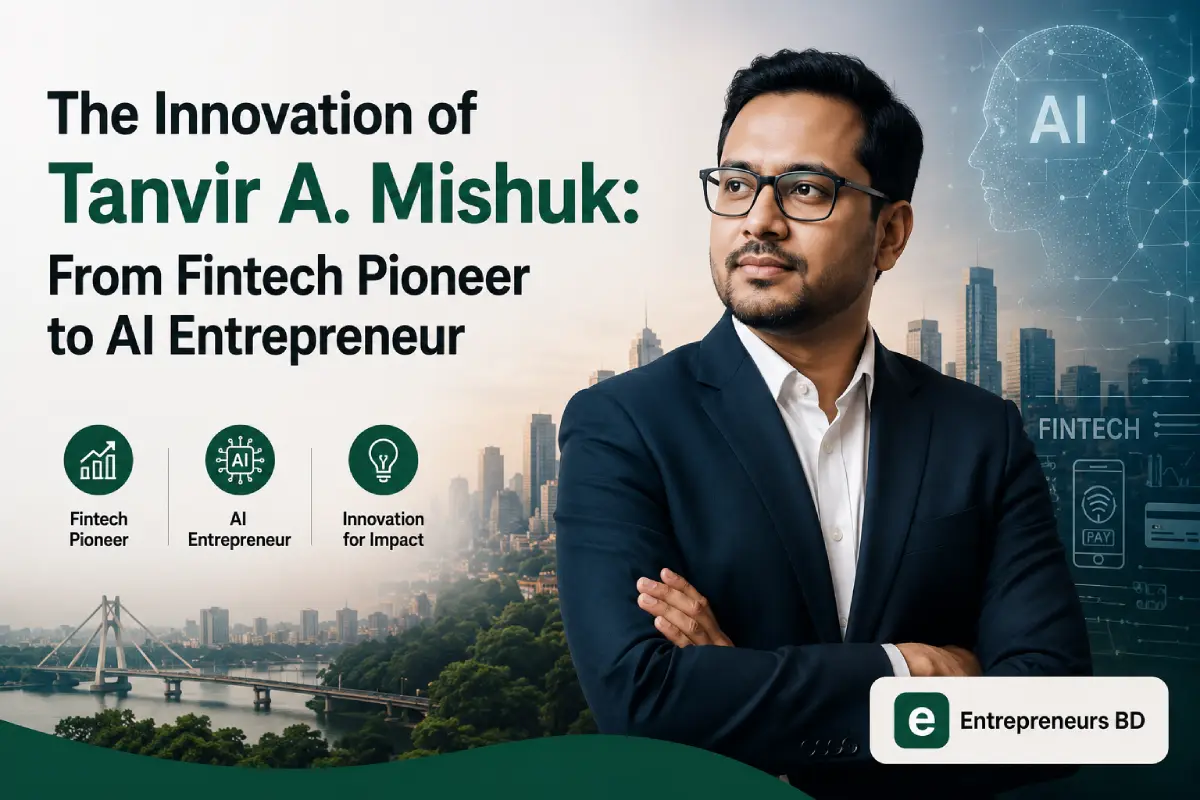
The Innovation of Tanvir A. Mishuk: From Fintech Pioneer to AI Entrepreneur
Tanvir A. Mishuk is a fintech entrepreneur recognised for advancing digital financial inclusion in Bangladesh through innovations like e-KYC and USSD based banking access. He has since founded App AI Pty Ltd, an artificial intelligence company based in Australia, applying lessons from financial technology to a new generation of AI driven solutions.
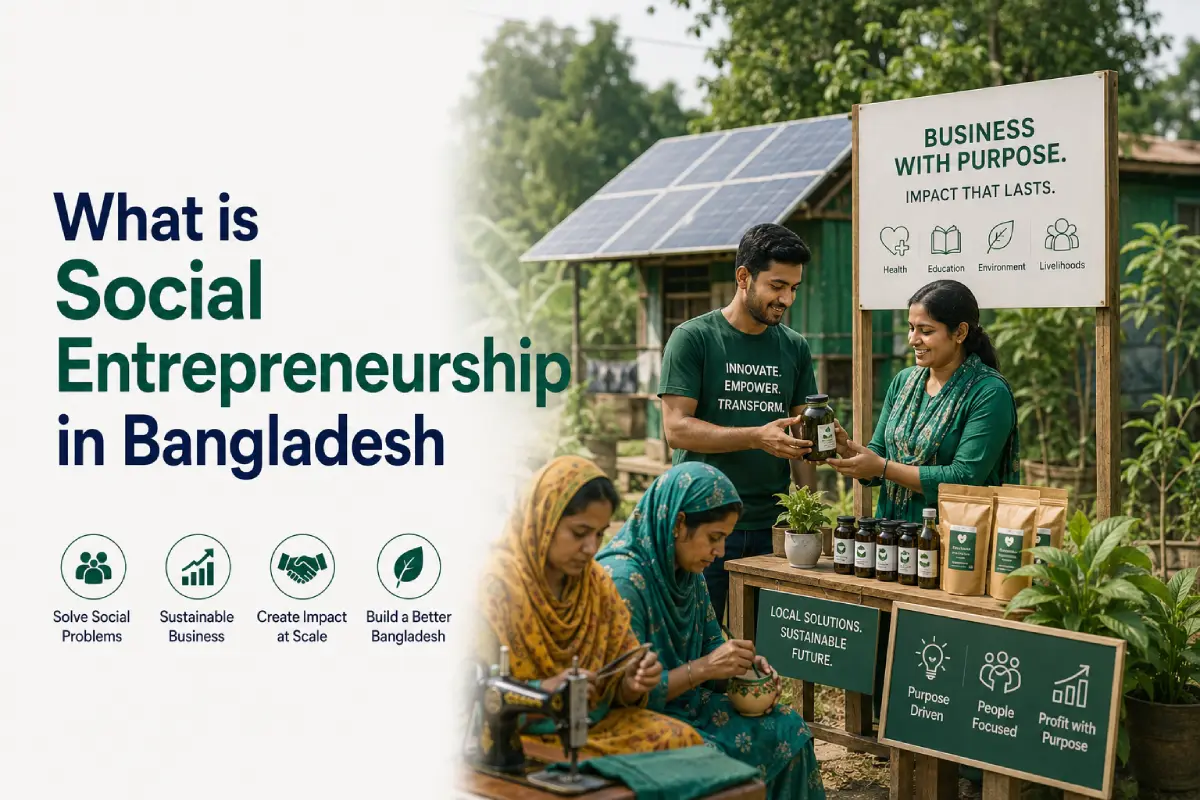
What is Social Entrepreneurship in Bangladesh 2026
Quick Answer: Social entrepreneurship in Bangladesh means building a self-sustaining business that solves a social problem, whether poverty, illiteracy, healthcare access, or climate vulnerability, without relying on charity. Bangladesh pioneered this model globally through Grameen Bank and BRAC, and the approach continues to grow across health, agriculture, and clean energy in 2026.
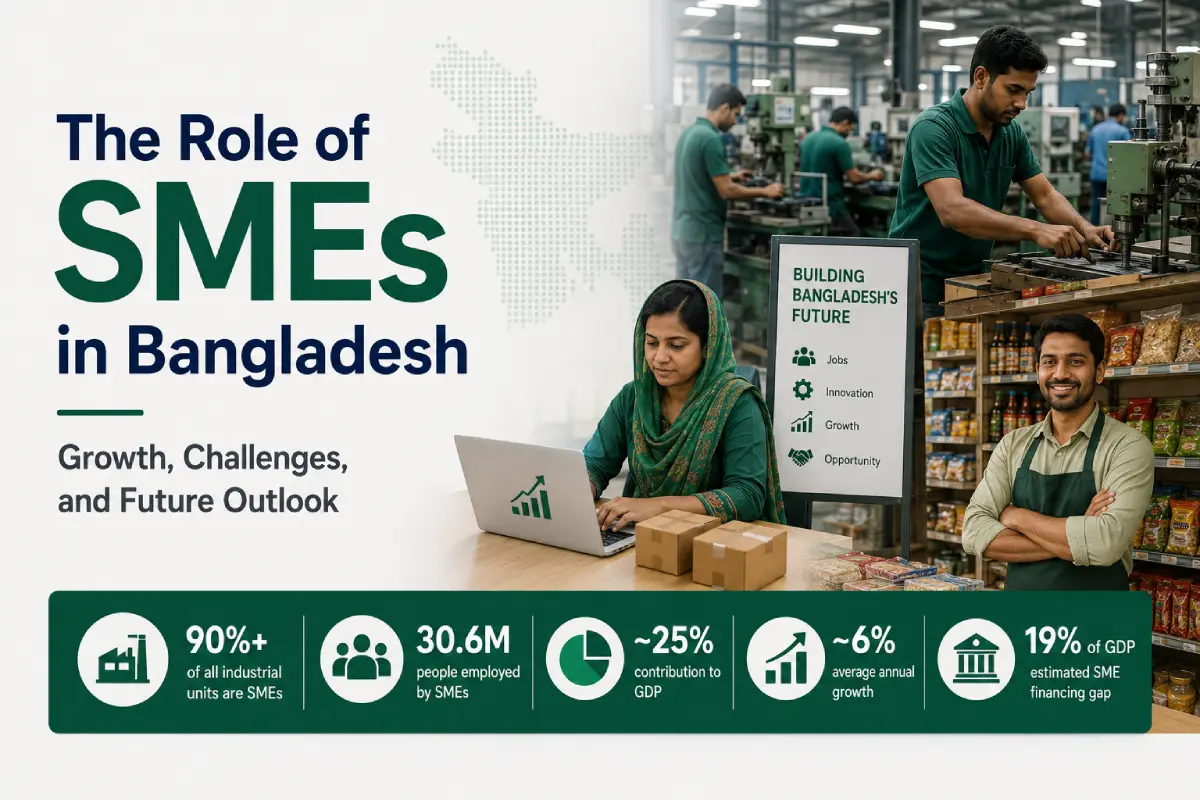
The Role of SMEs in Bangladesh in 2026: Growth, Challenges, and Future Outlook
Quick Answer: SMEs in Bangladesh make up over 90% of all industrial units, employ around 30.6 million people, and contribute approximately 25% of GDP. In 2026, the sector continues to grow at roughly 6% annually, but persistent challenges around access to finance, informality, and low productivity mean that scale and quality remain elusive for most enterprises.
Comments (0)
No comments yet. Be the first to share your thoughts!